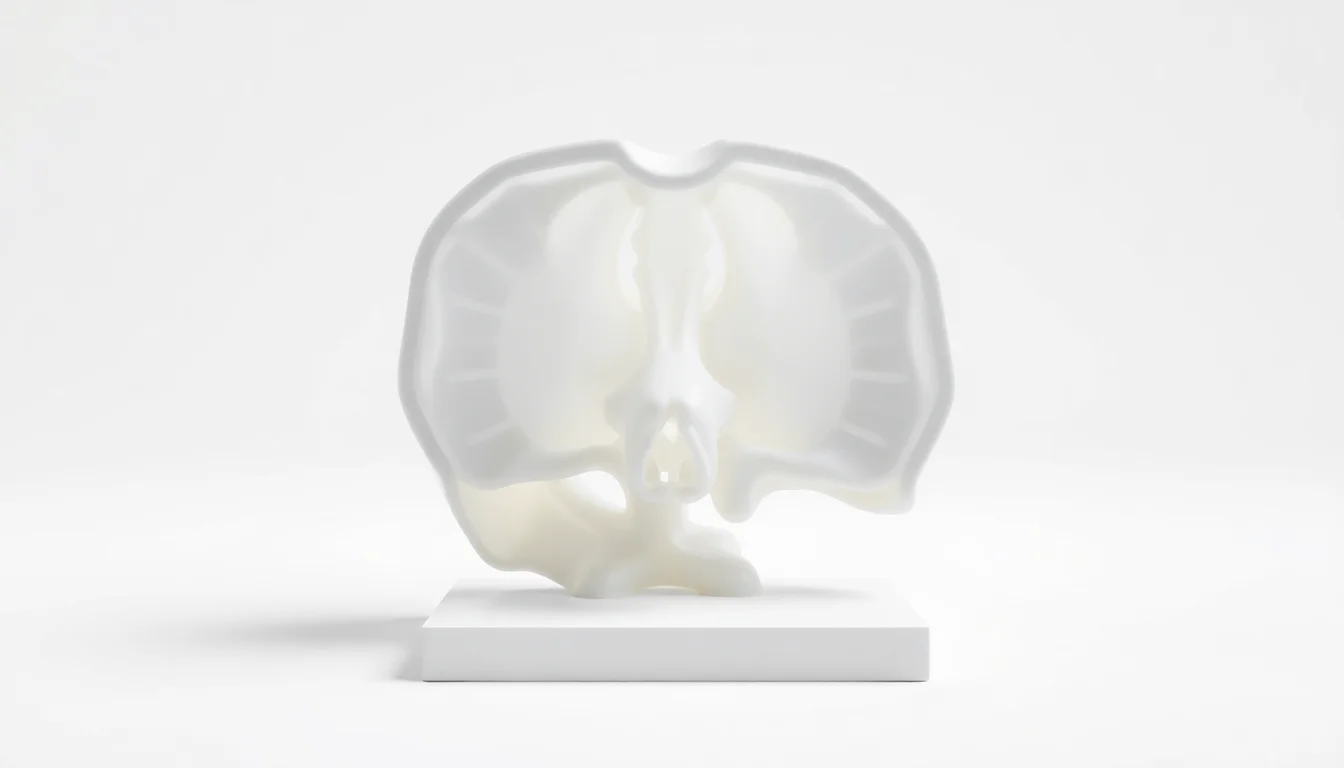
Frequently Asked Questions
What is the difference between DICOM segmentation and 3D reconstruction?
DICOM segmentation involves extracting relevant information from DICOM images, while 3D reconstruction involves creating a 3D model from the segmented data.
Can DICOM segmentation be used for other applications besides 3D printing?
Yes, DICOM segmentation can be used for a variety of applications, including image analysis, computer-aided diagnosis, and radiation therapy planning.
How accurate are 3D printed models created from DICOM segmentation?
The accuracy of 3D printed models created from DICOM segmentation depends on various factors, including the quality of the DICOM images, the segmentation algorithm used, and the 3D printing technology employed. At PrecisionMed3D, we strive to achieve an accuracy of 14μm or better.
Can I use DICOM segmentation for surgical planning without 3D printing?
Yes, DICOM segmentation can be used for surgical planning without 3D printing. However, 3D printed models can provide a more intuitive and interactive way to visualize and plan complex procedures.
How can I get started with DICOM segmentation for 3D printing?
Contact PrecisionMed3D to learn more about our DICOM segmentation services and how we can support your 3D printing needs.
What is the difference between DICOM segmentation and 3D reconstruction?
DICOM segmentation involves extracting relevant information from DICOM images, while 3D reconstruction involves creating a 3D model from the segmented data.
Can DICOM segmentation be used for other applications besides 3D printing?
Yes, DICOM segmentation can be used for a variety of applications, including image analysis, computer-aided diagnosis, and radiation therapy planning.
How accurate are 3D printed models created from DICOM segmentation?
The accuracy of 3D printed models created from DICOM segmentation depends on various factors, including the quality of the DICOM images, the segmentation algorithm used, and the 3D printing technology employed. At PrecisionMed3D, we strive to achieve an accuracy of 14μm or better.
Can I use DICOM segmentation for surgical planning without 3D printing?
Yes, DICOM segmentation can be used for surgical planning without 3D printing. However, 3D printed models can provide a more intuitive and interactive way to visualize and plan complex procedures.
How can I get started with DICOM segmentation for 3D printing?
Contact PrecisionMed3D to learn more about our DICOM segmentation services and how we can support your 3D printing needs.
What is the difference between DICOM segmentation and 3D reconstruction?
DICOM segmentation involves extracting relevant information from DICOM images, while 3D reconstruction involves creating a 3D model from the segmented data.
Can DICOM segmentation be used for other applications besides 3D printing?
Yes, DICOM segmentation can be used for a variety of applications, including image analysis, computer-aided diagnosis, and radiation therapy planning.
How accurate are 3D printed models created from DICOM segmentation?
The accuracy of 3D printed models created from DICOM segmentation depends on various factors, including the quality of the DICOM images, the segmentation algorithm used, and the 3D printing technology employed. At PrecisionMed3D, we strive to achieve an accuracy of 14μm or better.
Can I use DICOM segmentation for surgical planning without 3D printing?
Yes, DICOM segmentation can be used for surgical planning without 3D printing. However, 3D printed models can provide a more intuitive and interactive way to visualize and plan complex procedures.
How can I get started with DICOM segmentation for 3D printing?
Contact PrecisionMed3D to learn more about our DICOM segmentation services and how we can support your 3D printing needs.
What is the difference between DICOM segmentation and 3D reconstruction?
DICOM segmentation involves extracting relevant information from DICOM images, while 3D reconstruction involves creating a 3D model from the segmented data.
Can DICOM segmentation be used for other applications besides 3D printing?
Yes, DICOM segmentation can be used for a variety of applications, including image analysis, computer-aided diagnosis, and radiation therapy planning.
How accurate are 3D printed models created from DICOM segmentation?
The accuracy of 3D printed models created from DICOM segmentation depends on various factors, including the quality of the DICOM images, the segmentation algorithm used, and the 3D printing technology employed. At PrecisionMed3D, we strive to achieve an accuracy of 14μm or better.
Can I use DICOM segmentation for surgical planning without 3D printing?
Yes, DICOM segmentation can be used for surgical planning without 3D printing. However, 3D printed models can provide a more intuitive and interactive way to visualize and plan complex procedures.
How can I get started with DICOM segmentation for 3D printing?
Contact PrecisionMed3D to learn more about our DICOM segmentation services and how we can support your 3D printing needs.
What is the difference between DICOM segmentation and 3D reconstruction?
DICOM segmentation involves extracting relevant information from DICOM images, while 3D reconstruction involves creating a 3D model from the segmented data.
Can DICOM segmentation be used for other applications besides 3D printing?
Yes, DICOM segmentation can be used for a variety of applications, including image analysis, computer-aided diagnosis, and radiation therapy planning.
How accurate are 3D printed models created from DICOM segmentation?
The accuracy of 3D printed models created from DICOM segmentation depends on various factors, including the quality of the DICOM images, the segmentation algorithm used, and the 3D printing technology employed. At PrecisionMed3D, we strive to achieve an accuracy of 14μm or better.
Can I use DICOM segmentation for surgical planning without 3D printing?
Yes, DICOM segmentation can be used for surgical planning without 3D printing. However, 3D printed models can provide a more intuitive and interactive way to visualize and plan complex procedures.
How can I get started with DICOM segmentation for 3D printing?
Contact PrecisionMed3D to learn more about our DICOM segmentation services and how we can support your 3D printing needs.
What is the difference between DICOM segmentation and 3D reconstruction?
DICOM segmentation involves extracting relevant information from DICOM images, while 3D reconstruction involves creating a 3D model from the segmented data.
Can DICOM segmentation be used for other applications besides 3D printing?
Yes, DICOM segmentation can be used for a variety of applications, including image analysis, computer-aided diagnosis, and radiation therapy planning.
How accurate are 3D printed models created from DICOM segmentation?
The accuracy of 3D printed models created from DICOM segmentation depends on various factors, including the quality of the DICOM images, the segmentation algorithm used, and the 3D printing technology employed. At PrecisionMed3D, we strive to achieve an accuracy of 14μm or better.
Can I use DICOM segmentation for surgical planning without 3D printing?
Yes, DICOM segmentation can be used for surgical planning without 3D printing. However, 3D printed models can provide a more intuitive and interactive way to visualize and plan complex procedures.
How can I get started with DICOM segmentation for 3D printing?
Contact PrecisionMed3D to learn more about our DICOM segmentation services and how we can support your 3D printing needs.
What is the difference between DICOM segmentation and 3D reconstruction?
DICOM segmentation involves extracting relevant information from DICOM images, while 3D reconstruction involves creating a 3D model from the segmented data.
Can DICOM segmentation be used for other applications besides 3D printing?
Yes, DICOM segmentation can be used for a variety of applications, including image analysis, computer-aided diagnosis, and radiation therapy planning.
How accurate are 3D printed models created from DICOM segmentation?
The accuracy of 3D printed models created from DICOM segmentation depends on various factors, including the quality of the DICOM images, the segmentation algorithm used, and the 3D printing technology employed. At PrecisionMed3D, we strive to achieve an accuracy of 14μm or better.
Can I use DICOM segmentation for surgical planning without 3D printing?
Yes, DICOM segmentation can be used for surgical planning without 3D printing. However, 3D printed models can provide a more intuitive and interactive way to visualize and plan complex procedures.
How can I get started with DICOM segmentation for 3D printing?
Contact PrecisionMed3D to learn more about our DICOM segmentation services and how we can support your 3D printing needs.
What is the difference between DICOM segmentation and 3D reconstruction?
DICOM segmentation involves extracting relevant information from DICOM images, while 3D reconstruction involves creating a 3D model from the segmented data.
Can DICOM segmentation be used for other applications besides 3D printing?
Yes, DICOM segmentation can be used for a variety of applications, including image analysis, computer-aided diagnosis, and radiation therapy planning.
How accurate are 3D printed models created from DICOM segmentation?
The accuracy of 3D printed models created from DICOM segmentation depends on various factors, including the quality of the DICOM images, the segmentation algorithm used, and the 3D printing technology employed. At PrecisionMed3D, we strive to achieve an accuracy of 14μm or better.
Can I use DICOM segmentation for surgical planning without 3D printing?
Yes, DICOM segmentation can be used for surgical planning without 3D printing. However, 3D printed models can provide a more intuitive and interactive way to visualize and plan complex procedures.
How can I get started with DICOM segmentation for 3D printing?
Contact PrecisionMed3D to learn more about our DICOM segmentation services and how we can support your 3D printing needs.