Introduction
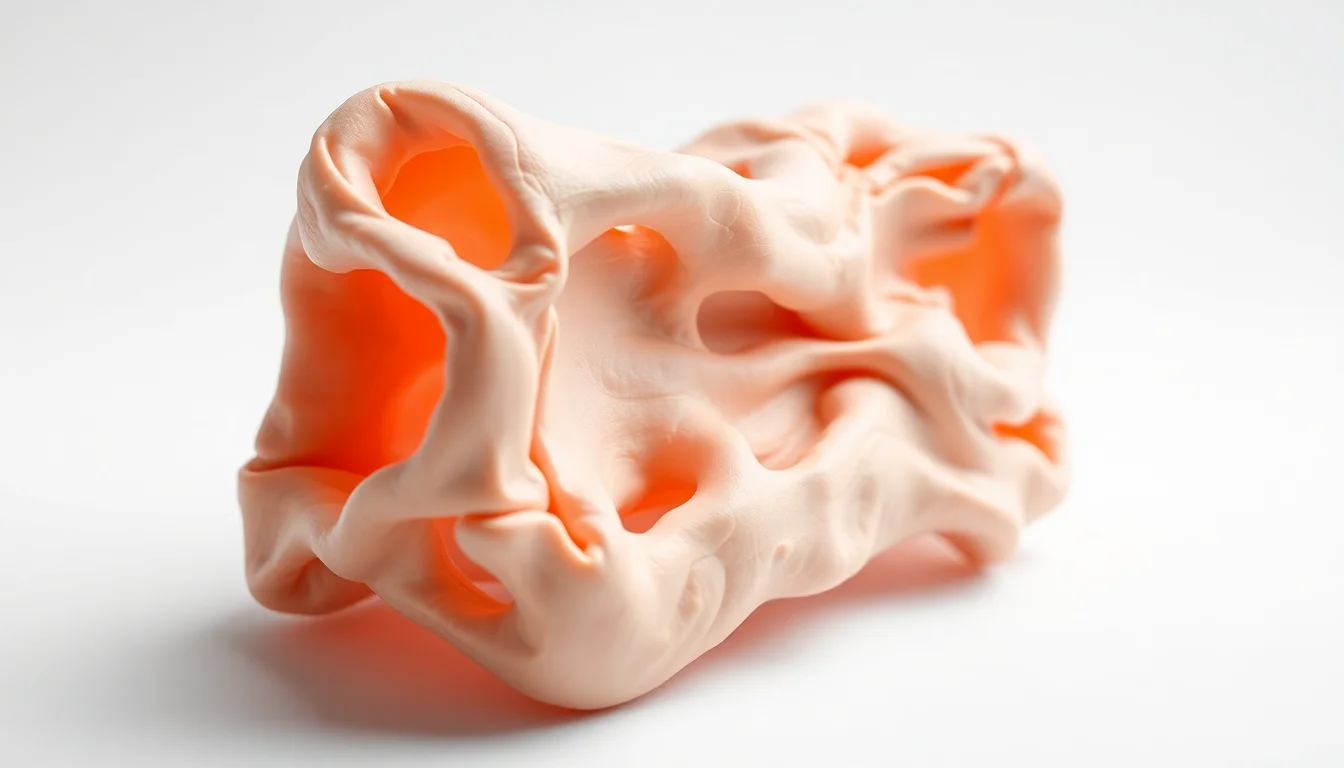
In the field of surgical planning, accurate visualization and understanding of patient anatomy are crucial for successful outcomes. Traditional imaging methods, such as CT and MRI scans, have been the standard for decades. However, with the advent of 3D printing technology, surgeons now have access to a more detailed and interactive way of planning surgeries. In this article, we'll explore the benefits of 3D printed surgical models compared to traditional imaging methods.
The Limitations of Traditional Imaging
See How 3D Printing Transforms Surgical Outcomes
Our FDA-compliant models help surgeons plan with unprecedented precision.
Explore Models →Traditional imaging methods, while effective in their own right, have several limitations. These include:
- Limited spatial resolution, making it difficult to visualize complex anatomical structures
- Two-dimensional representation, which can be challenging to interpret
- Lack of tactile feedback, making it difficult for surgeons to fully understand the anatomy
The Advantages of 3D Printed Surgical Models
In contrast, 3D printed surgical models offer several advantages, including:
- High spatial resolution, allowing for accurate visualization of complex anatomical structures
- Three-dimensional representation, providing a more intuitive understanding of the anatomy
- Tactile feedback, enabling surgeons to better understand the anatomy and plan their approach
Comparative Analysis: 3D Printed Surgical Model vs Traditional Imaging
A study published in the Journal of Surgical Research found that 3D printed models improved surgical planning and reduced operating time by 25% compared to traditional imaging methods (1). Another study published in the Journal of Neurosurgery found that 3D printed models improved surgical accuracy by 30% compared to traditional imaging methods (2).
Real-World Applications
3D printed surgical models have been successfully used in a variety of surgical applications, including:
- Orthopedic surgery, where 3D printed models have improved surgical planning and reduced operating time (3)
- Neurosurgery, where 3D printed models have improved surgical accuracy and reduced complications (4)
- Vascular surgery, where 3D printed models have improved surgical planning and reduced operating time (5)
Conclusion
In conclusion, 3D printed surgical models offer several advantages over traditional imaging methods in surgical planning. With their high spatial resolution, three-dimensional representation, and tactile feedback, 3D printed models are revolutionizing the field of surgical planning. At PrecisionMed3D, we're committed to providing surgeons with the most accurate and detailed 3D printed models possible, with a resolution of 14μm.
Ready to learn more about how 3D printed surgical models can benefit your surgical planning? Contact us today to discuss your needs.