Introduction
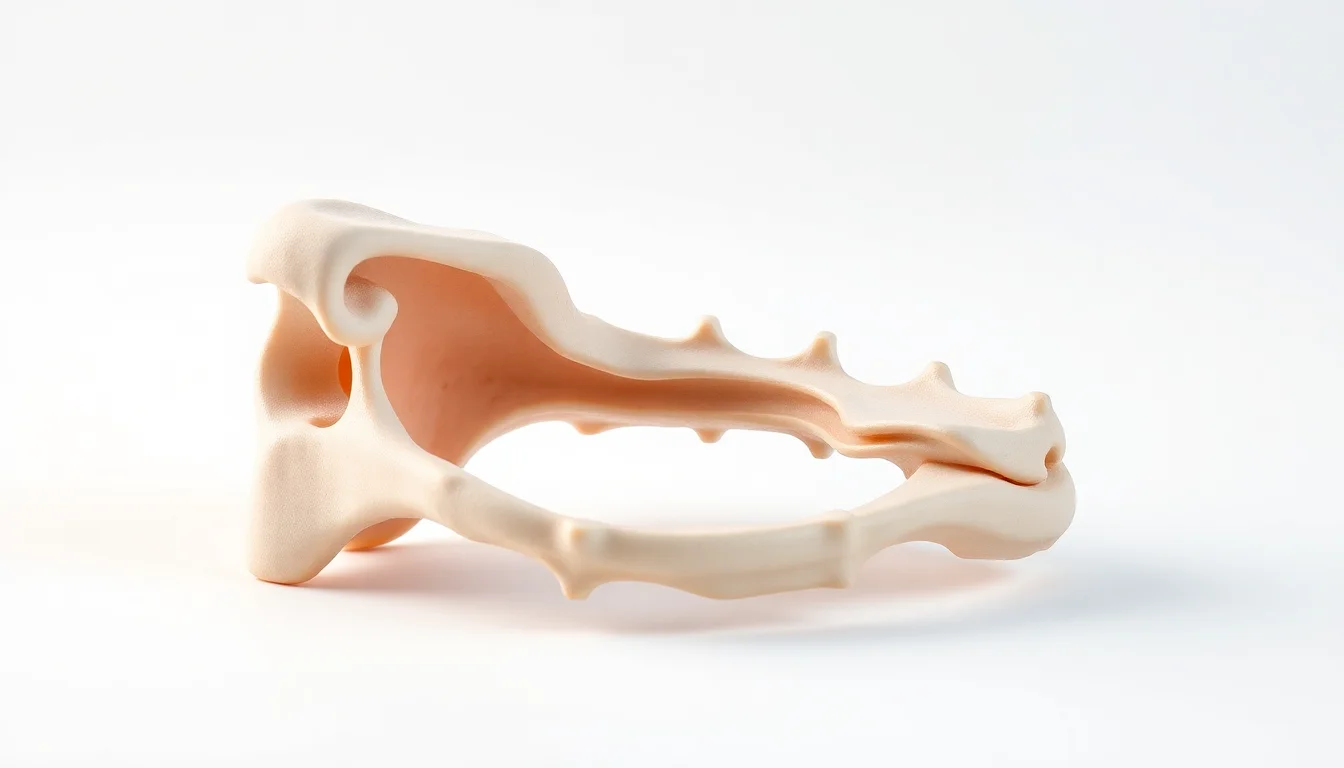
When it comes to treating acetabular fractures, surgeons require precise and detailed information to plan and execute successful surgeries. Traditional 2D imaging modalities often fall short in providing the necessary level of detail, leading to potential complications and prolonged recovery times. This is where 3D printed acetabular fracture models come into play, offering a game-changing solution for orthopedic surgeons.
In this article, we'll delve into the benefits and applications of 3D printed acetabular fracture models, highlighting their role in enhancing surgical planning and patient outcomes.
The Importance of Accurate Surgical Planning in Acetabular Fracture Treatment
See How 3D Printing Transforms Surgical Outcomes
Our FDA-compliant models help surgeons plan with unprecedented precision.
Explore Models →Acetabular fractures are complex injuries that require careful planning and execution to achieve optimal results. According to a study published in the Journal of Orthopaedic Trauma, acetabular fractures have a high complication rate, with up to 20% of patients experiencing postoperative complications (Source). This underscores the need for precise surgical planning to minimize risks and ensure successful outcomes.
Challenges in Traditional Surgical Planning
Traditional 2D imaging modalities, such as X-rays and CT scans, have limitations when it comes to providing detailed information about complex fractures. These limitations can lead to:
- Inaccurate fracture assessments
- Insufficient understanding of fracture patterns
- Poorly planned surgical approaches
The Role of 3D Printed Acetabular Fracture Models in Surgical Planning
3D printed acetabular fracture models offer a revolutionary solution for orthopedic surgeons. By converting DICOM imaging data into FDA-compliant 3D printed models with 14μm resolution, surgeons can:
- Visualize complex fractures in precise detail
- Develop personalized surgical plans tailored to individual patients
- Practice and refine surgical techniques on realistic models
These benefits are echoed in a study published in the Journal of Surgical Research, which found that 3D printed models improved surgical planning and reduced operative time by an average of 30 minutes (Source).
Benefits of 3D Printed Acetabular Fracture Models
The advantages of 3D printed acetabular fracture models extend beyond improved surgical planning. These models also:
- Enhance patient understanding and education
- Foster more effective communication among healthcare teams
- Support the development of novel surgical techniques and approaches
Conclusion
In conclusion, 3D printed acetabular fracture models have the potential to transform the field of orthopedic surgery. By providing surgeons with accurate, detailed, and personalized models, these innovative tools can improve patient outcomes, reduce complications, and enhance the overall quality of care.
At PrecisionMed3D, we're dedicated to providing FDA-compliant 3D printed surgical planning models with unparalleled accuracy and resolution. Contact us to learn more about how our 3D printed acetabular fracture models can benefit your patients and practice.