Frequently Asked Questions
What is the current state of 3D printing in robotic surgery planning?
While 3D printing in robotic surgery planning is still a relatively new field, it has shown significant promise in improving surgical accuracy and reducing operative time.
How does 3D printing enhance preoperative planning?
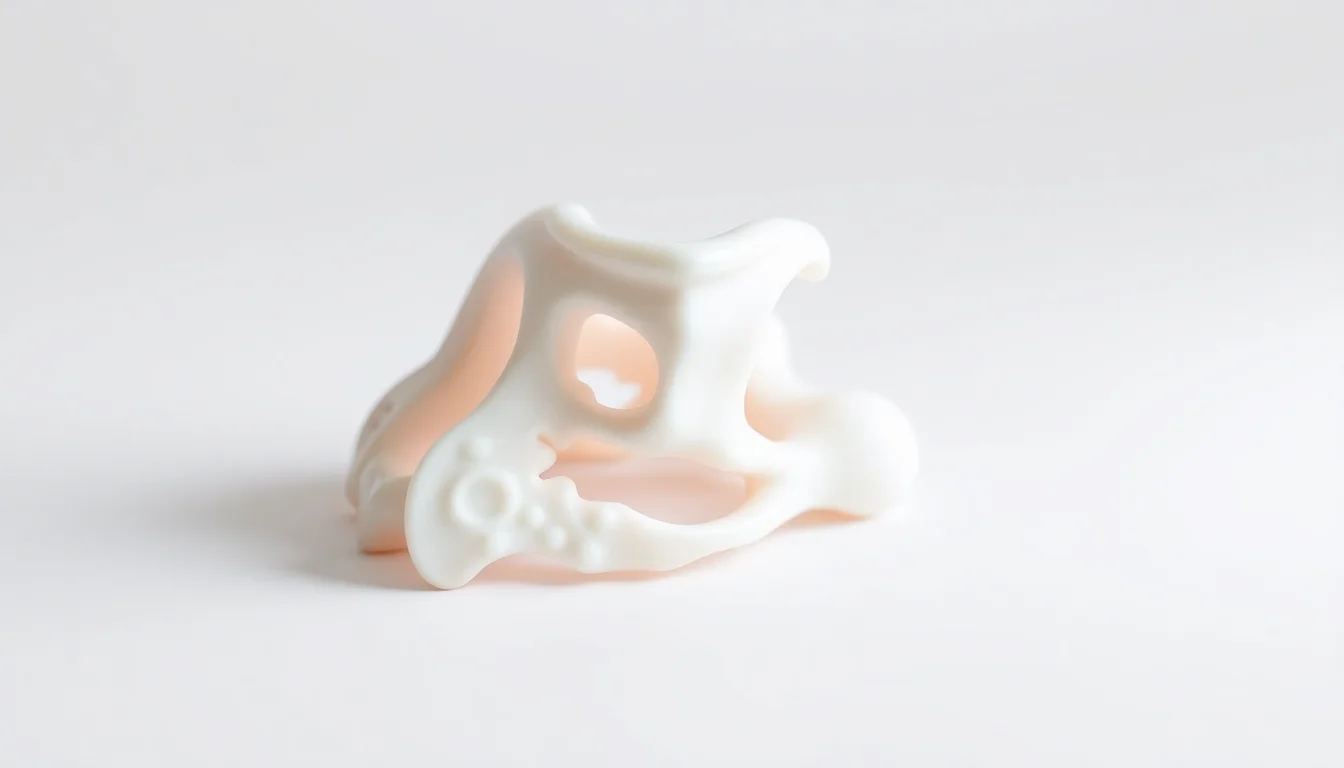
3D printing enables surgeons to create precise, patient-specific models of the surgical site, facilitating a deeper understanding of complex anatomy and spatial relationships.
What are the benefits of using 3D printing in robotic-assisted surgery?
The benefits of using 3D printing in robotic-assisted surgery include improved surgical accuracy, reduced operative time, and enhanced understanding of complex anatomy.
Can 3D printing be used in conjunction with other surgical planning tools?
Yes, 3D printing can be used in conjunction with other surgical planning tools, such as virtual reality and artificial intelligence, to create a comprehensive and personalized surgical plan.
How can I learn more about 3D printing in robotic surgery planning?
Contact PrecisionMed3D to learn more about our 3D printing services and how they can be used to enhance your robotic surgery planning.
What is the current state of 3D printing in robotic surgery planning?
While 3D printing in robotic surgery planning is still a relatively new field, it has shown significant promise in improving surgical accuracy and reducing operative time.
How does 3D printing enhance preoperative planning?
3D printing enables surgeons to create precise, patient-specific models of the surgical site, facilitating a deeper understanding of complex anatomy and spatial relationships.
What are the benefits of using 3D printing in robotic-assisted surgery?
The benefits of using 3D printing in robotic-assisted surgery include improved surgical accuracy, reduced operative time, and enhanced understanding of complex anatomy.
Can 3D printing be used in conjunction with other surgical planning tools?
Yes, 3D printing can be used in conjunction with other surgical planning tools, such as virtual reality and artificial intelligence, to create a comprehensive and personalized surgical plan.
How can I learn more about 3D printing in robotic surgery planning?
Contact PrecisionMed3D to learn more about our 3D printing services and how they can be used to enhance your robotic surgery planning.
What is the current state of 3D printing in robotic surgery planning?
While 3D printing in robotic surgery planning is still a relatively new field, it has shown significant promise in improving surgical accuracy and reducing operative time.
How does 3D printing enhance preoperative planning?
3D printing enables surgeons to create precise, patient-specific models of the surgical site, facilitating a deeper understanding of complex anatomy and spatial relationships.
What are the benefits of using 3D printing in robotic-assisted surgery?
The benefits of using 3D printing in robotic-assisted surgery include improved surgical accuracy, reduced operative time, and enhanced understanding of complex anatomy.
Can 3D printing be used in conjunction with other surgical planning tools?
Yes, 3D printing can be used in conjunction with other surgical planning tools, such as virtual reality and artificial intelligence, to create a comprehensive and personalized surgical plan.
How can I learn more about 3D printing in robotic surgery planning?
Contact PrecisionMed3D to learn more about our 3D printing services and how they can be used to enhance your robotic surgery planning.
What is the current state of 3D printing in robotic surgery planning?
While 3D printing in robotic surgery planning is still a relatively new field, it has shown significant promise in improving surgical accuracy and reducing operative time.
How does 3D printing enhance preoperative planning?
3D printing enables surgeons to create precise, patient-specific models of the surgical site, facilitating a deeper understanding of complex anatomy and spatial relationships.
What are the benefits of using 3D printing in robotic-assisted surgery?
The benefits of using 3D printing in robotic-assisted surgery include improved surgical accuracy, reduced operative time, and enhanced understanding of complex anatomy.
Can 3D printing be used in conjunction with other surgical planning tools?
Yes, 3D printing can be used in conjunction with other surgical planning tools, such as virtual reality and artificial intelligence, to create a comprehensive and personalized surgical plan.
How can I learn more about 3D printing in robotic surgery planning?
Contact PrecisionMed3D to learn more about our 3D printing services and how they can be used to enhance your robotic surgery planning.
What is the current state of 3D printing in robotic surgery planning?
While 3D printing in robotic surgery planning is still a relatively new field, it has shown significant promise in improving surgical accuracy and reducing operative time.
How does 3D printing enhance preoperative planning?
3D printing enables surgeons to create precise, patient-specific models of the surgical site, facilitating a deeper understanding of complex anatomy and spatial relationships.
What are the benefits of using 3D printing in robotic-assisted surgery?
The benefits of using 3D printing in robotic-assisted surgery include improved surgical accuracy, reduced operative time, and enhanced understanding of complex anatomy.
Can 3D printing be used in conjunction with other surgical planning tools?
Yes, 3D printing can be used in conjunction with other surgical planning tools, such as virtual reality and artificial intelligence, to create a comprehensive and personalized surgical plan.
How can I learn more about 3D printing in robotic surgery planning?
Contact PrecisionMed3D to learn more about our 3D printing services and how they can be used to enhance your robotic surgery planning.
What is the current state of 3D printing in robotic surgery planning?
While 3D printing in robotic surgery planning is still a relatively new field, it has shown significant promise in improving surgical accuracy and reducing operative time.
How does 3D printing enhance preoperative planning?
3D printing enables surgeons to create precise, patient-specific models of the surgical site, facilitating a deeper understanding of complex anatomy and spatial relationships.
What are the benefits of using 3D printing in robotic-assisted surgery?
The benefits of using 3D printing in robotic-assisted surgery include improved surgical accuracy, reduced operative time, and enhanced understanding of complex anatomy.
Can 3D printing be used in conjunction with other surgical planning tools?
Yes, 3D printing can be used in conjunction with other surgical planning tools, such as virtual reality and artificial intelligence, to create a comprehensive and personalized surgical plan.
How can I learn more about 3D printing in robotic surgery planning?
Contact PrecisionMed3D to learn more about our 3D printing services and how they can be used to enhance your robotic surgery planning.
What is the current state of 3D printing in robotic surgery planning?
While 3D printing in robotic surgery planning is still a relatively new field, it has shown significant promise in improving surgical accuracy and reducing operative time.
How does 3D printing enhance preoperative planning?
3D printing enables surgeons to create precise, patient-specific models of the surgical site, facilitating a deeper understanding of complex anatomy and spatial relationships.
What are the benefits of using 3D printing in robotic-assisted surgery?
The benefits of using 3D printing in robotic-assisted surgery include improved surgical accuracy, reduced operative time, and enhanced understanding of complex anatomy.
Can 3D printing be used in conjunction with other surgical planning tools?
Yes, 3D printing can be used in conjunction with other surgical planning tools, such as virtual reality and artificial intelligence, to create a comprehensive and personalized surgical plan.
How can I learn more about 3D printing in robotic surgery planning?
Contact PrecisionMed3D to learn more about our 3D printing services and how they can be used to enhance your robotic surgery planning.
What is the current state of 3D printing in robotic surgery planning?
While 3D printing in robotic surgery planning is still a relatively new field, it has shown significant promise in improving surgical accuracy and reducing operative time.
How does 3D printing enhance preoperative planning?
3D printing enables surgeons to create precise, patient-specific models of the surgical site, facilitating a deeper understanding of complex anatomy and spatial relationships.
What are the benefits of using 3D printing in robotic-assisted surgery?
The benefits of using 3D printing in robotic-assisted surgery include improved surgical accuracy, reduced operative time, and enhanced understanding of complex anatomy.
Can 3D printing be used in conjunction with other surgical planning tools?
Yes, 3D printing can be used in conjunction with other surgical planning tools, such as virtual reality and artificial intelligence, to create a comprehensive and personalized surgical plan.
How can I learn more about 3D printing in robotic surgery planning?
Contact PrecisionMed3D to learn more about our 3D printing services and how they can be used to enhance your robotic surgery planning.