Frequently Asked Questions
What is a patient specific anatomical model?
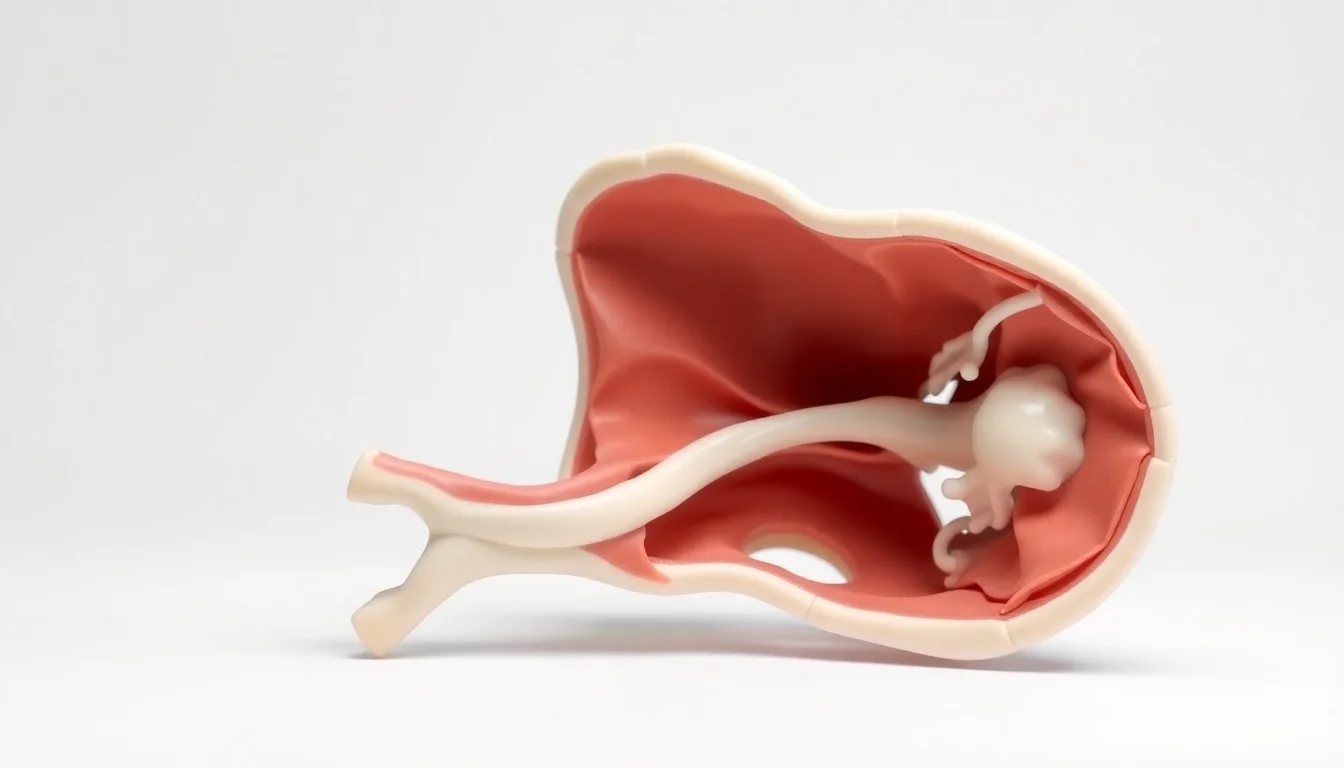
A patient specific anatomical model is a 3D printed model tailored to an individual's unique anatomy, used in surgical planning to improve accuracy and precision.
How are patient specific anatomical models created?
Patient specific anatomical models are created using advanced 3D printing technology and DICOM imaging data, ensuring a precise and accurate representation of a patient's anatomy.
What are the benefits of using patient specific anatomical models in surgical planning?
The benefits of using patient specific anatomical models in surgical planning include enhanced accuracy and precision, improved patient outcomes, increased confidence for surgeons, and a personalized approach to surgical planning.
Can patient specific anatomical models be used in various surgical applications?
Yes, patient specific anatomical models can be used in a variety of surgical applications, including orthopedic surgery, vascular surgery, and cardiac surgery.
How can I learn more about PrecisionMed3D's patient specific anatomical models?
For more information on PrecisionMed3D's patient specific anatomical models, please contact us at [insert contact information].
What is a patient specific anatomical model?
A patient specific anatomical model is a 3D printed model tailored to an individual's unique anatomy, used in surgical planning to improve accuracy and precision.
How are patient specific anatomical models created?
Patient specific anatomical models are created using advanced 3D printing technology and DICOM imaging data, ensuring a precise and accurate representation of a patient's anatomy.
What are the benefits of using patient specific anatomical models in surgical planning?
The benefits of using patient specific anatomical models in surgical planning include enhanced accuracy and precision, improved patient outcomes, increased confidence for surgeons, and a personalized approach to surgical planning.
Can patient specific anatomical models be used in various surgical applications?
Yes, patient specific anatomical models can be used in a variety of surgical applications, including orthopedic surgery, vascular surgery, and cardiac surgery.
How can I learn more about PrecisionMed3D's patient specific anatomical models?
For more information on PrecisionMed3D's patient specific anatomical models, please contact us at [insert contact information].
What is a patient specific anatomical model?
A patient specific anatomical model is a 3D printed model tailored to an individual's unique anatomy, used in surgical planning to improve accuracy and precision.
How are patient specific anatomical models created?
Patient specific anatomical models are created using advanced 3D printing technology and DICOM imaging data, ensuring a precise and accurate representation of a patient's anatomy.
What are the benefits of using patient specific anatomical models in surgical planning?
The benefits of using patient specific anatomical models in surgical planning include enhanced accuracy and precision, improved patient outcomes, increased confidence for surgeons, and a personalized approach to surgical planning.
Can patient specific anatomical models be used in various surgical applications?
Yes, patient specific anatomical models can be used in a variety of surgical applications, including orthopedic surgery, vascular surgery, and cardiac surgery.
How can I learn more about PrecisionMed3D's patient specific anatomical models?
For more information on PrecisionMed3D's patient specific anatomical models, please contact us at [insert contact information].
What is a patient specific anatomical model?
A patient specific anatomical model is a 3D printed model tailored to an individual's unique anatomy, used in surgical planning to improve accuracy and precision.
How are patient specific anatomical models created?
Patient specific anatomical models are created using advanced 3D printing technology and DICOM imaging data, ensuring a precise and accurate representation of a patient's anatomy.
What are the benefits of using patient specific anatomical models in surgical planning?
The benefits of using patient specific anatomical models in surgical planning include enhanced accuracy and precision, improved patient outcomes, increased confidence for surgeons, and a personalized approach to surgical planning.
Can patient specific anatomical models be used in various surgical applications?
Yes, patient specific anatomical models can be used in a variety of surgical applications, including orthopedic surgery, vascular surgery, and cardiac surgery.
How can I learn more about PrecisionMed3D's patient specific anatomical models?
For more information on PrecisionMed3D's patient specific anatomical models, please contact us at [insert contact information].
What is a patient specific anatomical model?
A patient specific anatomical model is a 3D printed model tailored to an individual's unique anatomy, used in surgical planning to improve accuracy and precision.
How are patient specific anatomical models created?
Patient specific anatomical models are created using advanced 3D printing technology and DICOM imaging data, ensuring a precise and accurate representation of a patient's anatomy.
What are the benefits of using patient specific anatomical models in surgical planning?
The benefits of using patient specific anatomical models in surgical planning include enhanced accuracy and precision, improved patient outcomes, increased confidence for surgeons, and a personalized approach to surgical planning.
Can patient specific anatomical models be used in various surgical applications?
Yes, patient specific anatomical models can be used in a variety of surgical applications, including orthopedic surgery, vascular surgery, and cardiac surgery.
How can I learn more about PrecisionMed3D's patient specific anatomical models?
For more information on PrecisionMed3D's patient specific anatomical models, please contact us at [insert contact information].
What is a patient specific anatomical model?
A patient specific anatomical model is a 3D printed model tailored to an individual's unique anatomy, used in surgical planning to improve accuracy and precision.
How are patient specific anatomical models created?
Patient specific anatomical models are created using advanced 3D printing technology and DICOM imaging data, ensuring a precise and accurate representation of a patient's anatomy.
What are the benefits of using patient specific anatomical models in surgical planning?
The benefits of using patient specific anatomical models in surgical planning include enhanced accuracy and precision, improved patient outcomes, increased confidence for surgeons, and a personalized approach to surgical planning.
Can patient specific anatomical models be used in various surgical applications?
Yes, patient specific anatomical models can be used in a variety of surgical applications, including orthopedic surgery, vascular surgery, and cardiac surgery.
How can I learn more about PrecisionMed3D's patient specific anatomical models?
For more information on PrecisionMed3D's patient specific anatomical models, please contact us at [insert contact information].
What is a patient specific anatomical model?
A patient specific anatomical model is a 3D printed model tailored to an individual's unique anatomy, used in surgical planning to improve accuracy and precision.
How are patient specific anatomical models created?
Patient specific anatomical models are created using advanced 3D printing technology and DICOM imaging data, ensuring a precise and accurate representation of a patient's anatomy.
What are the benefits of using patient specific anatomical models in surgical planning?
The benefits of using patient specific anatomical models in surgical planning include enhanced accuracy and precision, improved patient outcomes, increased confidence for surgeons, and a personalized approach to surgical planning.
Can patient specific anatomical models be used in various surgical applications?
Yes, patient specific anatomical models can be used in a variety of surgical applications, including orthopedic surgery, vascular surgery, and cardiac surgery.
How can I learn more about PrecisionMed3D's patient specific anatomical models?
For more information on PrecisionMed3D's patient specific anatomical models, please contact us at [insert contact information].
What is a patient specific anatomical model?
A patient specific anatomical model is a 3D printed model tailored to an individual's unique anatomy, used in surgical planning to improve accuracy and precision.
How are patient specific anatomical models created?
Patient specific anatomical models are created using advanced 3D printing technology and DICOM imaging data, ensuring a precise and accurate representation of a patient's anatomy.
What are the benefits of using patient specific anatomical models in surgical planning?
The benefits of using patient specific anatomical models in surgical planning include enhanced accuracy and precision, improved patient outcomes, increased confidence for surgeons, and a personalized approach to surgical planning.
Can patient specific anatomical models be used in various surgical applications?
Yes, patient specific anatomical models can be used in a variety of surgical applications, including orthopedic surgery, vascular surgery, and cardiac surgery.
How can I learn more about PrecisionMed3D's patient specific anatomical models?
For more information on PrecisionMed3D's patient specific anatomical models, please contact us at [insert contact information].