Frequently Asked Questions
What is the minimum resolution required for medical grade 3D printing accuracy?
The minimum resolution required for medical grade 3D printing accuracy varies depending on the application, but generally, a resolution of 50μm or higher is considered acceptable. However, PrecisionMed3D's technology achieves a resolution of 14μm, which is significantly higher than the industry standard.
How does PrecisionMed3D ensure the accuracy of its 3D printed models?
PrecisionMed3D ensures the accuracy of its 3D printed models through a combination of advanced 3D printing technology, expertise in medical imaging data interpretation, and a stringent quality control process.
What are the benefits of using 3D printed models with high accuracy in surgical planning?
The benefits of using 3D printed models with high accuracy in surgical planning include reduced surgical time, improved surgical outcomes, and enhanced patient safety.
Can PrecisionMed3D's 3D printed models be used for training and education?
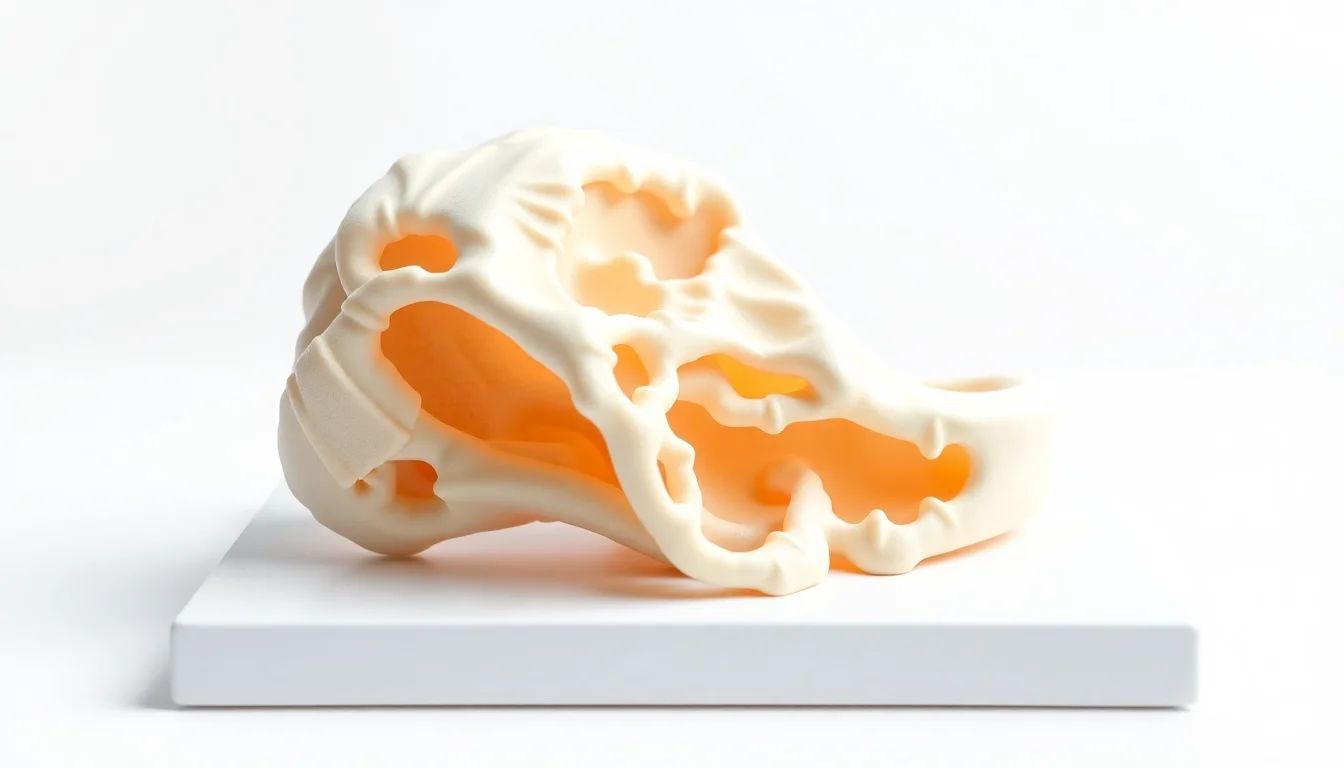
Yes, PrecisionMed3D's 3D printed models can be used for training and education purposes. They provide a realistic and accurate representation of the anatomy, allowing surgeons and medical professionals to practice and refine their skills.
What is the minimum resolution required for medical grade 3D printing accuracy?
The minimum resolution required for medical grade 3D printing accuracy varies depending on the application, but generally, a resolution of 50μm or higher is considered acceptable. However, PrecisionMed3D's technology achieves a resolution of 14μm, which is significantly higher than the industry standard.
How does PrecisionMed3D ensure the accuracy of its 3D printed models?
PrecisionMed3D ensures the accuracy of its 3D printed models through a combination of advanced 3D printing technology, expertise in medical imaging data interpretation, and a stringent quality control process.
What are the benefits of using 3D printed models with high accuracy in surgical planning?
The benefits of using 3D printed models with high accuracy in surgical planning include reduced surgical time, improved surgical outcomes, and enhanced patient safety.
Can PrecisionMed3D's 3D printed models be used for training and education?
Yes, PrecisionMed3D's 3D printed models can be used for training and education purposes. They provide a realistic and accurate representation of the anatomy, allowing surgeons and medical professionals to practice and refine their skills.
What is the minimum resolution required for medical grade 3D printing accuracy?
The minimum resolution required for medical grade 3D printing accuracy varies depending on the application, but generally, a resolution of 50μm or higher is considered acceptable. However, PrecisionMed3D's technology achieves a resolution of 14μm, which is significantly higher than the industry standard.
How does PrecisionMed3D ensure the accuracy of its 3D printed models?
PrecisionMed3D ensures the accuracy of its 3D printed models through a combination of advanced 3D printing technology, expertise in medical imaging data interpretation, and a stringent quality control process.
What are the benefits of using 3D printed models with high accuracy in surgical planning?
The benefits of using 3D printed models with high accuracy in surgical planning include reduced surgical time, improved surgical outcomes, and enhanced patient safety.
Can PrecisionMed3D's 3D printed models be used for training and education?
Yes, PrecisionMed3D's 3D printed models can be used for training and education purposes. They provide a realistic and accurate representation of the anatomy, allowing surgeons and medical professionals to practice and refine their skills.
What is the minimum resolution required for medical grade 3D printing accuracy?
The minimum resolution required for medical grade 3D printing accuracy varies depending on the application, but generally, a resolution of 50μm or higher is considered acceptable. However, PrecisionMed3D's technology achieves a resolution of 14μm, which is significantly higher than the industry standard.
How does PrecisionMed3D ensure the accuracy of its 3D printed models?
PrecisionMed3D ensures the accuracy of its 3D printed models through a combination of advanced 3D printing technology, expertise in medical imaging data interpretation, and a stringent quality control process.
What are the benefits of using 3D printed models with high accuracy in surgical planning?
The benefits of using 3D printed models with high accuracy in surgical planning include reduced surgical time, improved surgical outcomes, and enhanced patient safety.
Can PrecisionMed3D's 3D printed models be used for training and education?
Yes, PrecisionMed3D's 3D printed models can be used for training and education purposes. They provide a realistic and accurate representation of the anatomy, allowing surgeons and medical professionals to practice and refine their skills.
What is the minimum resolution required for medical grade 3D printing accuracy?
The minimum resolution required for medical grade 3D printing accuracy varies depending on the application, but generally, a resolution of 50μm or higher is considered acceptable. However, PrecisionMed3D's technology achieves a resolution of 14μm, which is significantly higher than the industry standard.
How does PrecisionMed3D ensure the accuracy of its 3D printed models?
PrecisionMed3D ensures the accuracy of its 3D printed models through a combination of advanced 3D printing technology, expertise in medical imaging data interpretation, and a stringent quality control process.
What are the benefits of using 3D printed models with high accuracy in surgical planning?
The benefits of using 3D printed models with high accuracy in surgical planning include reduced surgical time, improved surgical outcomes, and enhanced patient safety.
Can PrecisionMed3D's 3D printed models be used for training and education?
Yes, PrecisionMed3D's 3D printed models can be used for training and education purposes. They provide a realistic and accurate representation of the anatomy, allowing surgeons and medical professionals to practice and refine their skills.
What is the minimum resolution required for medical grade 3D printing accuracy?
The minimum resolution required for medical grade 3D printing accuracy varies depending on the application, but generally, a resolution of 50μm or higher is considered acceptable. However, PrecisionMed3D's technology achieves a resolution of 14μm, which is significantly higher than the industry standard.
How does PrecisionMed3D ensure the accuracy of its 3D printed models?
PrecisionMed3D ensures the accuracy of its 3D printed models through a combination of advanced 3D printing technology, expertise in medical imaging data interpretation, and a stringent quality control process.
What are the benefits of using 3D printed models with high accuracy in surgical planning?
The benefits of using 3D printed models with high accuracy in surgical planning include reduced surgical time, improved surgical outcomes, and enhanced patient safety.
Can PrecisionMed3D's 3D printed models be used for training and education?
Yes, PrecisionMed3D's 3D printed models can be used for training and education purposes. They provide a realistic and accurate representation of the anatomy, allowing surgeons and medical professionals to practice and refine their skills.
What is the minimum resolution required for medical grade 3D printing accuracy?
The minimum resolution required for medical grade 3D printing accuracy varies depending on the application, but generally, a resolution of 50μm or higher is considered acceptable. However, PrecisionMed3D's technology achieves a resolution of 14μm, which is significantly higher than the industry standard.
How does PrecisionMed3D ensure the accuracy of its 3D printed models?
PrecisionMed3D ensures the accuracy of its 3D printed models through a combination of advanced 3D printing technology, expertise in medical imaging data interpretation, and a stringent quality control process.
What are the benefits of using 3D printed models with high accuracy in surgical planning?
The benefits of using 3D printed models with high accuracy in surgical planning include reduced surgical time, improved surgical outcomes, and enhanced patient safety.
Can PrecisionMed3D's 3D printed models be used for training and education?
Yes, PrecisionMed3D's 3D printed models can be used for training and education purposes. They provide a realistic and accurate representation of the anatomy, allowing surgeons and medical professionals to practice and refine their skills.
What is the minimum resolution required for medical grade 3D printing accuracy?
The minimum resolution required for medical grade 3D printing accuracy varies depending on the application, but generally, a resolution of 50μm or higher is considered acceptable. However, PrecisionMed3D's technology achieves a resolution of 14μm, which is significantly higher than the industry standard.
How does PrecisionMed3D ensure the accuracy of its 3D printed models?
PrecisionMed3D ensures the accuracy of its 3D printed models through a combination of advanced 3D printing technology, expertise in medical imaging data interpretation, and a stringent quality control process.
What are the benefits of using 3D printed models with high accuracy in surgical planning?
The benefits of using 3D printed models with high accuracy in surgical planning include reduced surgical time, improved surgical outcomes, and enhanced patient safety.
Can PrecisionMed3D's 3D printed models be used for training and education?
Yes, PrecisionMed3D's 3D printed models can be used for training and education purposes. They provide a realistic and accurate representation of the anatomy, allowing surgeons and medical professionals to practice and refine their skills.