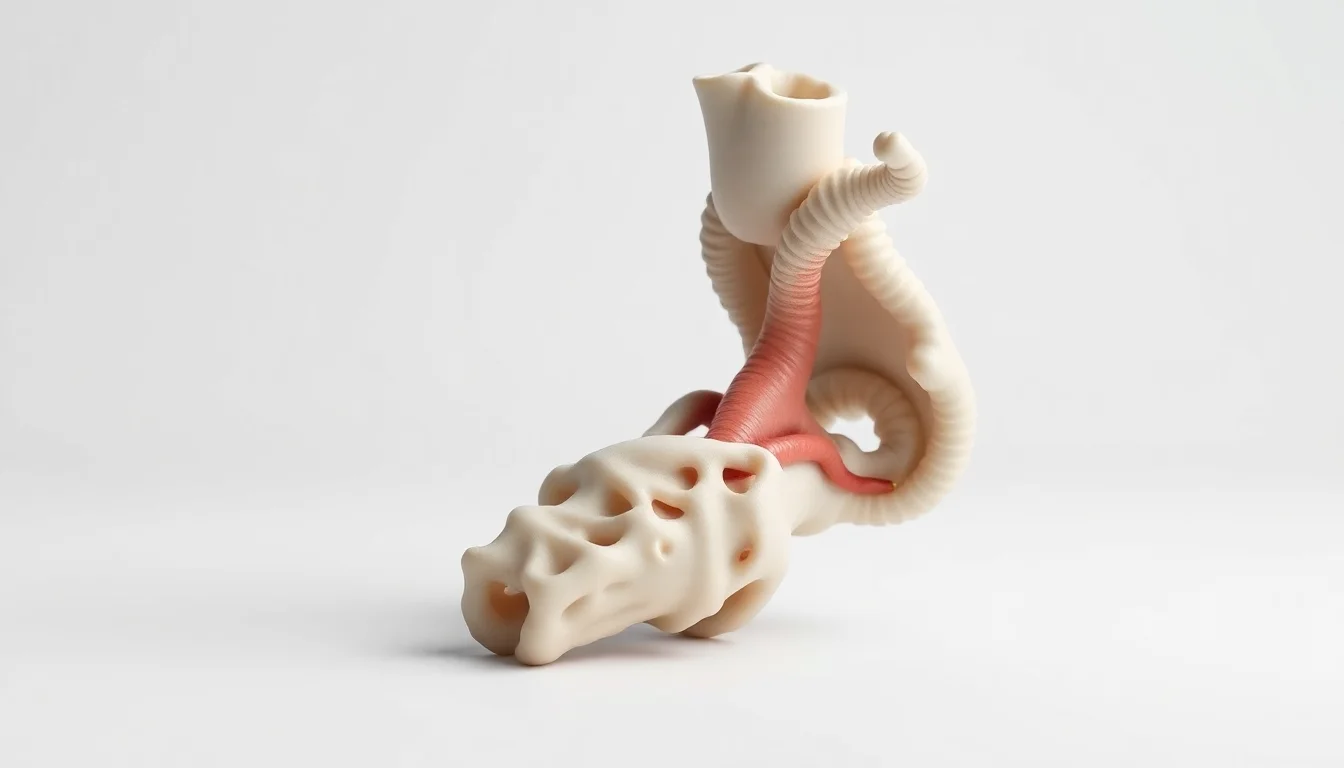
Introduction to Vascular 3D Printed Model Surgery
Vascular surgeons face complex challenges when operating on delicate blood vessels. The stakes are high, and even slight miscalculations can lead to devastating consequences. Fortunately, advancements in 3D printing technology have given rise to vascular 3D printed model surgery, a game-changing approach that's revolutionizing the field.
In this article, we'll delve into the world of vascular 3D printed model surgery, exploring its benefits, applications, and future directions. We'll also examine the role of high-resolution 3D printed models in enhancing surgical planning and patient outcomes.
The Benefits of Vascular 3D Printed Model Surgery
See How 3D Printing Transforms Surgical Outcomes
Our FDA-compliant models help surgeons plan with unprecedented precision.
Explore Models →So, what makes vascular 3D printed model surgery so effective? The answer lies in its ability to provide surgeons with an unprecedented level of accuracy and precision. Here are just a few benefits of this innovative approach:
- Enhanced visualization: 3D printed models allow surgeons to visualize complex vascular structures in exquisite detail, enabling them to better understand the anatomy and plan their approach.
- Improved patient outcomes: By reducing the risk of complications and improving surgical accuracy, vascular 3D printed model surgery can lead to better patient outcomes and faster recovery times.
- Reduced operating time: With a more accurate understanding of the vascular anatomy, surgeons can complete procedures more efficiently, reducing operating time and minimizing the risk of complications.
Applications of Vascular 3D Printed Model Surgery
Vascular 3D printed model surgery has a wide range of applications, from treating complex aneurysms to planning revascularization procedures. Some of the most promising areas of application include:
- Aneurysm repair: 3D printed models can help surgeons plan and execute complex aneurysm repairs, reducing the risk of rupture and improving patient outcomes.
- Revascularization: Vascular 3D printed model surgery can aid in the planning of revascularization procedures, enabling surgeons to restore blood flow to affected areas.
- Vascular malformations: 3D printed models can help surgeons understand and treat complex vascular malformations, such as arteriovenous malformations (AVMs).
The Role of High-Resolution 3D Printed Models
At PrecisionMed3D, we specialize in creating high-resolution 3D printed models with 14μm resolution, providing surgeons with an unparalleled level of detail and accuracy. Our models are created from DICOM imaging data, ensuring a precise representation of the patient's vascular anatomy.
According to a study published in the Journal of Vascular Surgery, the use of 3D printed models in vascular surgery can reduce operative time by up to 30% and improve surgical accuracy by up to 25% (Source). Another study published in the European Journal of Vascular and Endovascular Surgery found that 3D printed models can improve patient outcomes by up to 15% (Source).
The Future of Vascular 3D Printed Model Surgery
As 3D printing technology continues to evolve, we can expect to see even more innovative applications of vascular 3D printed model surgery. Some potential areas of development include:
- Personalized medicine: The use of 3D printed models to create personalized treatment plans tailored to individual patients.
- Virtual reality integration: The integration of virtual reality technology with 3D printed models to enhance surgical planning and training.
- Bioprinting: The use of bioprinting to create functional, living tissue models for surgical planning and training.