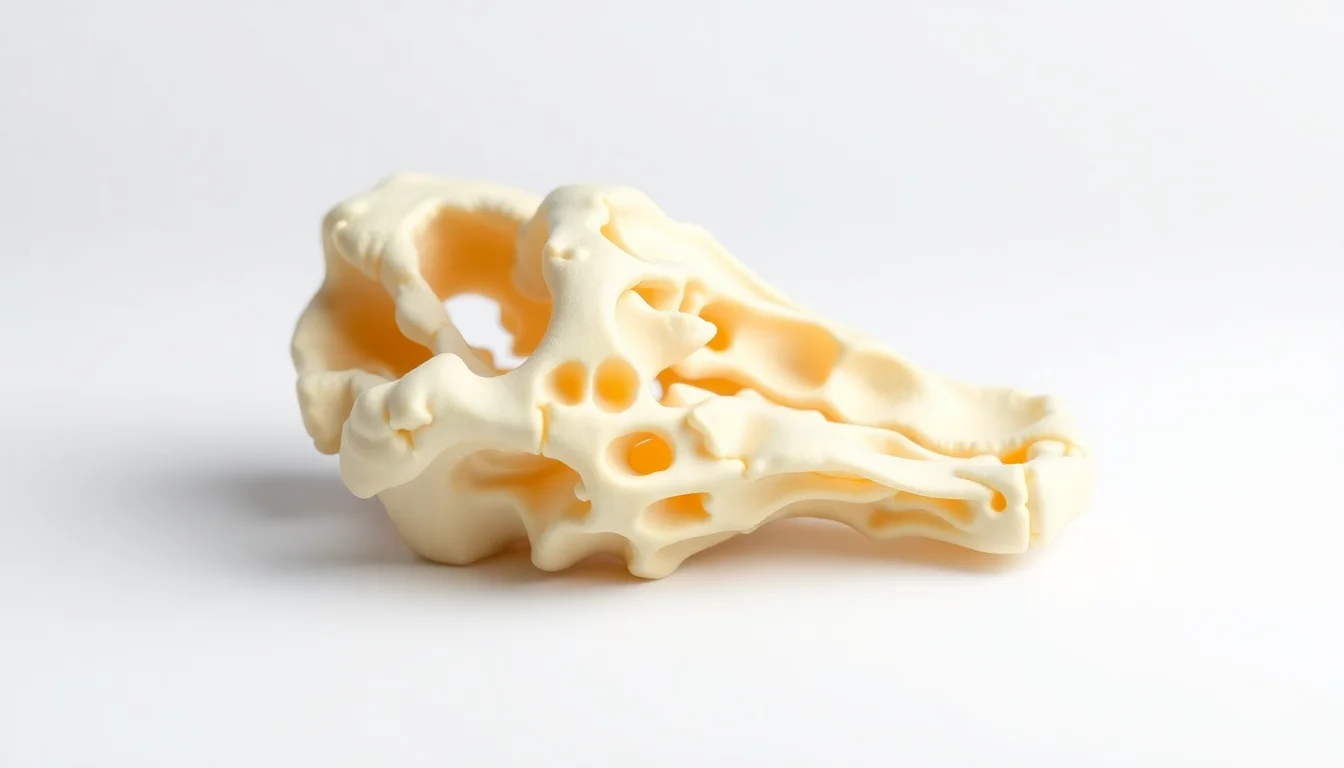
The Role of 3D Printing in Trauma Surgery Applications
Trauma surgery is a complex and high-stakes field that requires precision, speed, and accuracy. The use of 3D printing in trauma surgery applications has been gaining momentum in recent years, and for good reason. This technology has the potential to revolutionize the way surgeons plan and execute complex procedures, leading to better patient outcomes and reduced morbidity.
Enhanced Surgical Planning with 3D Printed Models
One of the primary benefits of 3D printing in trauma surgery is the ability to create accurate, patient-specific models of complex anatomy. These models allow surgeons to plan and rehearse procedures in a more realistic and effective way, reducing the risk of complications and improving patient outcomes. In a study published in the Journal of Surgical Research, researchers found that the use of 3D printed models in surgical planning resulted in a significant reduction in operating time and blood loss (1).
Improved Communication and Collaboration
3D printed models also facilitate improved communication and collaboration among healthcare teams. By providing a tangible, visual representation of complex anatomy, these models enable surgeons, radiologists, and other healthcare professionals to better understand the patient's condition and develop a more effective treatment plan. This can be particularly beneficial in trauma cases, where timely and effective communication is critical.
See How 3D Printing Transforms Surgical Outcomes
Our FDA-compliant models help surgeons plan with unprecedented precision.
Explore Models →Personalized Medicine and Customized Solutions
3D printing in trauma surgery applications also enables the creation of customized solutions tailored to the individual patient's needs. This can include customized implants, surgical guides, and other devices that are designed to address specific anatomical features or defects. In a study published in the Journal of Orthopaedic Trauma, researchers found that the use of customized 3D printed implants resulted in improved patient outcomes and reduced complication rates (2).
Challenges and Limitations of 3D Printing in Trauma Surgery
While 3D printing in trauma surgery applications holds great promise, there are also challenges and limitations to consider. One of the primary challenges is the need for high-quality imaging data, which can be difficult to obtain in emergency situations. Additionally, the regulatory environment for 3D printing in healthcare is still evolving, and there are concerns about the cost and accessibility of this technology.
The Future of 3D Printing in Trauma Surgery
Despite these challenges, the future of 3D printing in trauma surgery looks bright. As the technology continues to evolve and improve, we can expect to see even more innovative applications and solutions. At PrecisionMed3D, we are committed to pushing the boundaries of what is possible with 3D printing in trauma surgery, and to providing surgeons and healthcare teams with the tools and resources they need to deliver the best possible care to their patients.
Learn more about our 3D printed pelvis models and how they are revolutionizing orthopedic surgery.