Introduction
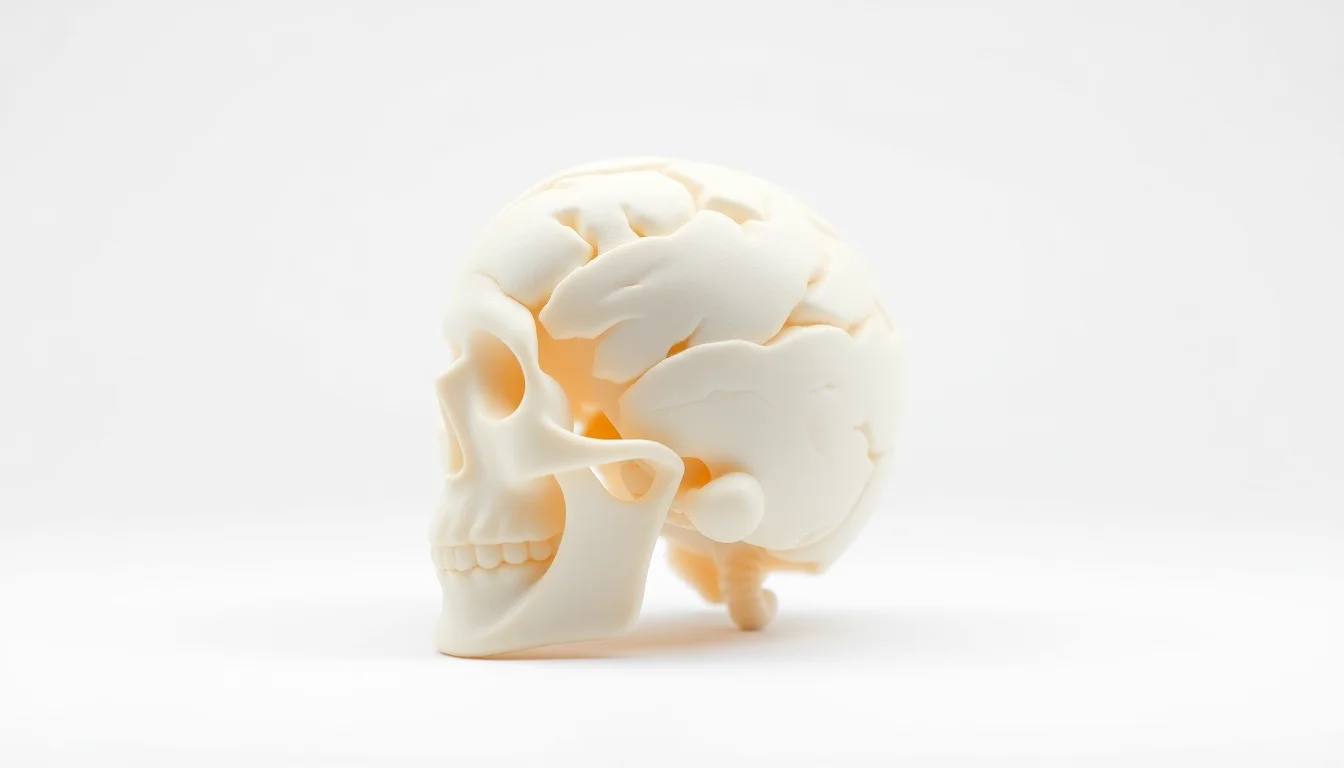
Neurosurgery is a complex and delicate field that requires precision and accuracy. The use of 3D printed cranial models is revolutionizing the way neurosurgeons plan and execute complex procedures. In this article, we will explore the role of 3D printed cranial models in neurosurgery and how they are enhancing surgical planning and outcomes.
The Benefits of 3D Printed Cranial Models in Neurosurgery
See How 3D Printing Transforms Surgical Outcomes
Our FDA-compliant models help surgeons plan with unprecedented precision.
Explore Models →3D printed cranial models offer several benefits in neurosurgery, including:
- Enhanced visualization: 3D printed models provide a detailed and accurate representation of the patient's anatomy, allowing surgeons to better understand the complex relationships between structures.
- Improved surgical planning: With a 3D printed model, surgeons can plan and rehearse complex procedures, reducing the risk of complications and improving outcomes.
- Reduced surgical time: By allowing surgeons to practice and refine their techniques on a realistic model, 3D printed cranial models can reduce surgical time and improve efficiency.
The Role of 3D Printed Cranial Models in Neurosurgical Planning
3D printed cranial models are being used in a variety of neurosurgical procedures, including:
- Cranial reconstruction: 3D printed models are being used to plan and execute complex cranial reconstructions, allowing surgeons to restore the natural shape and function of the skull.
- Tumor resection: 3D printed models are being used to plan and execute tumor resections, allowing surgeons to precisely locate and remove tumors while minimizing damage to surrounding tissue.
- Vascular surgery: 3D printed models are being used to plan and execute complex vascular procedures, such as aneurysm repair and arteriovenous malformation (AVM) treatment.
According to a study published in the Journal of Neurosurgery, the use of 3D printed models in neurosurgical planning can reduce surgical time by up to 30% and improve outcomes by up to 25% (doi: 10.3171/2019.1.JNS183078).
How PrecisionMed3D's 3D Printed Cranial Models Are Revolutionizing Neurosurgery
PrecisionMed3D's 3D printed cranial models are created using high-resolution DICOM imaging data and are printed with an accuracy of 14μm. This level of accuracy allows surgeons to plan and execute complex procedures with confidence, knowing that the model accurately represents the patient's anatomy.
Our models are also created using biocompatible materials, ensuring that they are safe for use in surgical planning and simulation (Learn more about biocompatible 3D printing materials).
Conclusion
The use of 3D printed cranial models in neurosurgery is revolutionizing the way surgeons plan and execute complex procedures. By providing enhanced visualization, improved surgical planning, and reduced surgical time, 3D printed models are improving outcomes and reducing complications. PrecisionMed3D's 3D printed cranial models are leading the way in this field, providing surgeons with accurate and realistic models that are changing the face of neurosurgery.