Frequently Asked Questions
What is the resolution of 3D printed coronary artery models?
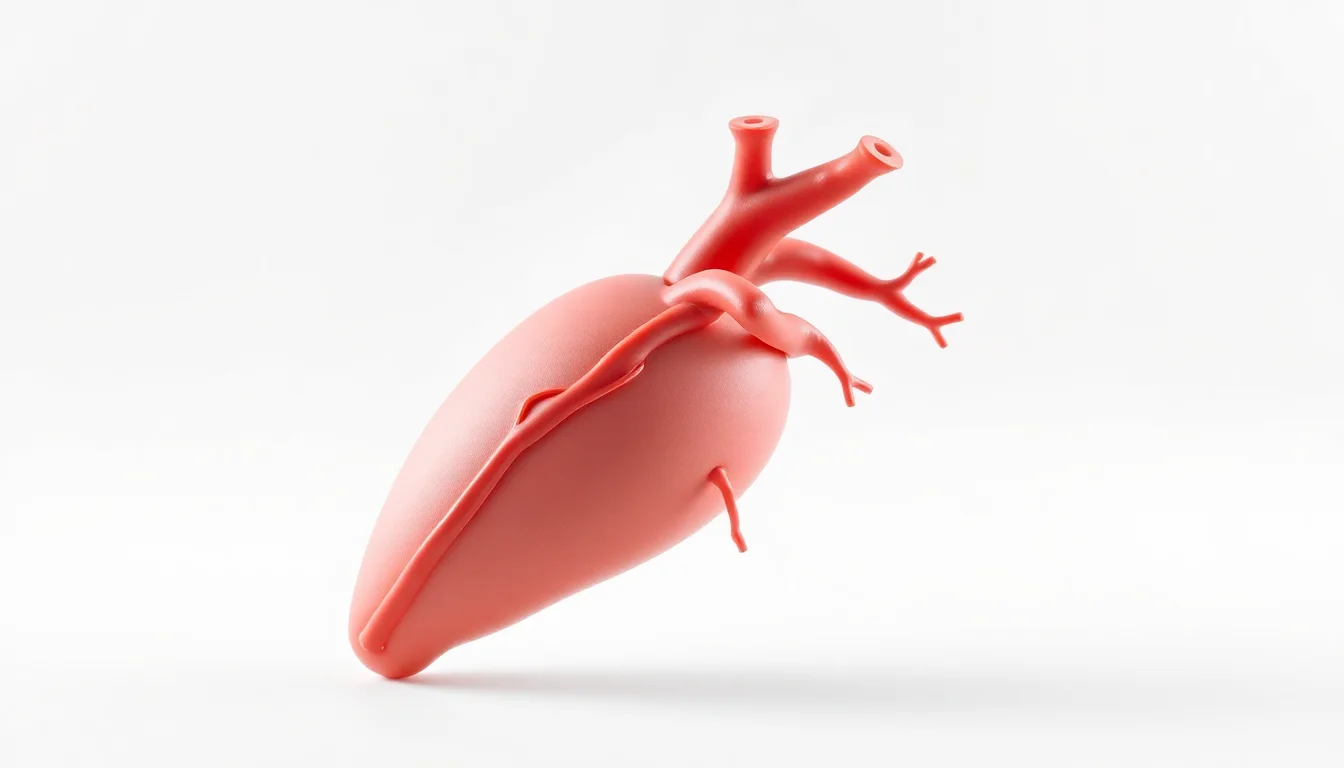
Our 3D printed coronary artery models have a resolution of 14μm, providing surgeons with highly accurate representations of complex anatomy.
How are 3D printed coronary artery models created?
Our 3D printed coronary artery models are created from patient-specific imaging data, such as CT or MRI scans. We use advanced software to segment the data and create a 3D model, which is then printed using a high-resolution 3D printer.
What are the benefits of using 3D printed coronary artery models in interventional cardiology?
The benefits of using 3D printed coronary artery models in interventional cardiology include improved accuracy, enhanced visualization, personalized treatment, and reduced complications.
Can 3D printed coronary artery models be used for patient education?
Yes, 3D printed coronary artery models can be used for patient education, helping patients to better understand their condition and treatment options.
How can I learn more about 3D printed coronary artery models?
You can learn more about 3D printed coronary artery models by contacting PrecisionMed3D or visiting our website.
What is the resolution of 3D printed coronary artery models?
Our 3D printed coronary artery models have a resolution of 14μm, providing surgeons with highly accurate representations of complex anatomy.
How are 3D printed coronary artery models created?
Our 3D printed coronary artery models are created from patient-specific imaging data, such as CT or MRI scans. We use advanced software to segment the data and create a 3D model, which is then printed using a high-resolution 3D printer.
What are the benefits of using 3D printed coronary artery models in interventional cardiology?
The benefits of using 3D printed coronary artery models in interventional cardiology include improved accuracy, enhanced visualization, personalized treatment, and reduced complications.
Can 3D printed coronary artery models be used for patient education?
Yes, 3D printed coronary artery models can be used for patient education, helping patients to better understand their condition and treatment options.
How can I learn more about 3D printed coronary artery models?
You can learn more about 3D printed coronary artery models by contacting PrecisionMed3D or visiting our website.
What is the resolution of 3D printed coronary artery models?
Our 3D printed coronary artery models have a resolution of 14μm, providing surgeons with highly accurate representations of complex anatomy.
How are 3D printed coronary artery models created?
Our 3D printed coronary artery models are created from patient-specific imaging data, such as CT or MRI scans. We use advanced software to segment the data and create a 3D model, which is then printed using a high-resolution 3D printer.
What are the benefits of using 3D printed coronary artery models in interventional cardiology?
The benefits of using 3D printed coronary artery models in interventional cardiology include improved accuracy, enhanced visualization, personalized treatment, and reduced complications.
Can 3D printed coronary artery models be used for patient education?
Yes, 3D printed coronary artery models can be used for patient education, helping patients to better understand their condition and treatment options.
How can I learn more about 3D printed coronary artery models?
You can learn more about 3D printed coronary artery models by contacting PrecisionMed3D or visiting our website.
What is the resolution of 3D printed coronary artery models?
Our 3D printed coronary artery models have a resolution of 14μm, providing surgeons with highly accurate representations of complex anatomy.
How are 3D printed coronary artery models created?
Our 3D printed coronary artery models are created from patient-specific imaging data, such as CT or MRI scans. We use advanced software to segment the data and create a 3D model, which is then printed using a high-resolution 3D printer.
What are the benefits of using 3D printed coronary artery models in interventional cardiology?
The benefits of using 3D printed coronary artery models in interventional cardiology include improved accuracy, enhanced visualization, personalized treatment, and reduced complications.
Can 3D printed coronary artery models be used for patient education?
Yes, 3D printed coronary artery models can be used for patient education, helping patients to better understand their condition and treatment options.
How can I learn more about 3D printed coronary artery models?
You can learn more about 3D printed coronary artery models by contacting PrecisionMed3D or visiting our website.
What is the resolution of 3D printed coronary artery models?
Our 3D printed coronary artery models have a resolution of 14μm, providing surgeons with highly accurate representations of complex anatomy.
How are 3D printed coronary artery models created?
Our 3D printed coronary artery models are created from patient-specific imaging data, such as CT or MRI scans. We use advanced software to segment the data and create a 3D model, which is then printed using a high-resolution 3D printer.
What are the benefits of using 3D printed coronary artery models in interventional cardiology?
The benefits of using 3D printed coronary artery models in interventional cardiology include improved accuracy, enhanced visualization, personalized treatment, and reduced complications.
Can 3D printed coronary artery models be used for patient education?
Yes, 3D printed coronary artery models can be used for patient education, helping patients to better understand their condition and treatment options.
How can I learn more about 3D printed coronary artery models?
You can learn more about 3D printed coronary artery models by contacting PrecisionMed3D or visiting our website.
What is the resolution of 3D printed coronary artery models?
Our 3D printed coronary artery models have a resolution of 14μm, providing surgeons with highly accurate representations of complex anatomy.
How are 3D printed coronary artery models created?
Our 3D printed coronary artery models are created from patient-specific imaging data, such as CT or MRI scans. We use advanced software to segment the data and create a 3D model, which is then printed using a high-resolution 3D printer.
What are the benefits of using 3D printed coronary artery models in interventional cardiology?
The benefits of using 3D printed coronary artery models in interventional cardiology include improved accuracy, enhanced visualization, personalized treatment, and reduced complications.
Can 3D printed coronary artery models be used for patient education?
Yes, 3D printed coronary artery models can be used for patient education, helping patients to better understand their condition and treatment options.
How can I learn more about 3D printed coronary artery models?
You can learn more about 3D printed coronary artery models by contacting PrecisionMed3D or visiting our website.
What is the resolution of 3D printed coronary artery models?
Our 3D printed coronary artery models have a resolution of 14μm, providing surgeons with highly accurate representations of complex anatomy.
How are 3D printed coronary artery models created?
Our 3D printed coronary artery models are created from patient-specific imaging data, such as CT or MRI scans. We use advanced software to segment the data and create a 3D model, which is then printed using a high-resolution 3D printer.
What are the benefits of using 3D printed coronary artery models in interventional cardiology?
The benefits of using 3D printed coronary artery models in interventional cardiology include improved accuracy, enhanced visualization, personalized treatment, and reduced complications.
Can 3D printed coronary artery models be used for patient education?
Yes, 3D printed coronary artery models can be used for patient education, helping patients to better understand their condition and treatment options.
How can I learn more about 3D printed coronary artery models?
You can learn more about 3D printed coronary artery models by contacting PrecisionMed3D or visiting our website.
What is the resolution of 3D printed coronary artery models?
Our 3D printed coronary artery models have a resolution of 14μm, providing surgeons with highly accurate representations of complex anatomy.
How are 3D printed coronary artery models created?
Our 3D printed coronary artery models are created from patient-specific imaging data, such as CT or MRI scans. We use advanced software to segment the data and create a 3D model, which is then printed using a high-resolution 3D printer.
What are the benefits of using 3D printed coronary artery models in interventional cardiology?
The benefits of using 3D printed coronary artery models in interventional cardiology include improved accuracy, enhanced visualization, personalized treatment, and reduced complications.
Can 3D printed coronary artery models be used for patient education?
Yes, 3D printed coronary artery models can be used for patient education, helping patients to better understand their condition and treatment options.
How can I learn more about 3D printed coronary artery models?
You can learn more about 3D printed coronary artery models by contacting PrecisionMed3D or visiting our website.