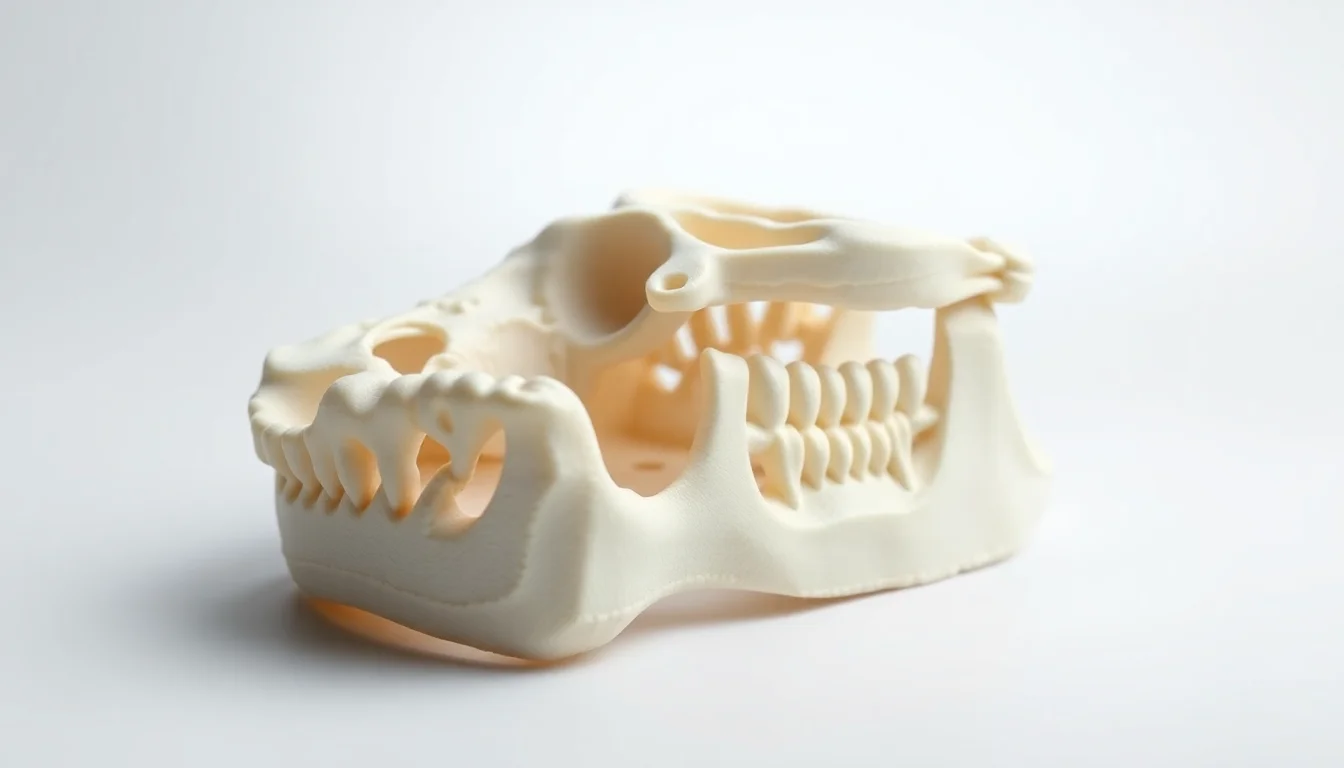
Frequently Asked Questions
What is the accuracy of 3D printed complex fracture reduction planning models?
3D printed complex fracture reduction planning models are created from patient-specific DICOM imaging data, ensuring an accuracy of 14μm.
How long does it take to create a 3D printed complex fracture reduction planning model?
The time required to create a 3D printed complex fracture reduction planning model varies depending on the complexity of the fracture and the printing technology used. However, on average, it takes around 24-48 hours to create a model.
Can 3D printed complex fracture reduction planning models be used for patient education?
Yes, 3D printed complex fracture reduction planning models can be used for patient education, enabling patients to better understand their condition and treatment options.
Are 3D printed complex fracture reduction planning models FDA-compliant?
Yes, 3D printed complex fracture reduction planning models created by PrecisionMed3D are FDA-compliant, ensuring the highest level of safety and efficacy.
How can I learn more about 3D printed complex fracture reduction planning models?
For more information on 3D printed complex fracture reduction planning models, contact PrecisionMed3D today. Our team of experts is happy to provide more information and answer any questions you may have.
What is the accuracy of 3D printed complex fracture reduction planning models?
3D printed complex fracture reduction planning models are created from patient-specific DICOM imaging data, ensuring an accuracy of 14μm.
How long does it take to create a 3D printed complex fracture reduction planning model?
The time required to create a 3D printed complex fracture reduction planning model varies depending on the complexity of the fracture and the printing technology used. However, on average, it takes around 24-48 hours to create a model.
Can 3D printed complex fracture reduction planning models be used for patient education?
Yes, 3D printed complex fracture reduction planning models can be used for patient education, enabling patients to better understand their condition and treatment options.
Are 3D printed complex fracture reduction planning models FDA-compliant?
Yes, 3D printed complex fracture reduction planning models created by PrecisionMed3D are FDA-compliant, ensuring the highest level of safety and efficacy.
How can I learn more about 3D printed complex fracture reduction planning models?
For more information on 3D printed complex fracture reduction planning models, contact PrecisionMed3D today. Our team of experts is happy to provide more information and answer any questions you may have.
What is the accuracy of 3D printed complex fracture reduction planning models?
3D printed complex fracture reduction planning models are created from patient-specific DICOM imaging data, ensuring an accuracy of 14μm.
How long does it take to create a 3D printed complex fracture reduction planning model?
The time required to create a 3D printed complex fracture reduction planning model varies depending on the complexity of the fracture and the printing technology used. However, on average, it takes around 24-48 hours to create a model.
Can 3D printed complex fracture reduction planning models be used for patient education?
Yes, 3D printed complex fracture reduction planning models can be used for patient education, enabling patients to better understand their condition and treatment options.
Are 3D printed complex fracture reduction planning models FDA-compliant?
Yes, 3D printed complex fracture reduction planning models created by PrecisionMed3D are FDA-compliant, ensuring the highest level of safety and efficacy.
How can I learn more about 3D printed complex fracture reduction planning models?
For more information on 3D printed complex fracture reduction planning models, contact PrecisionMed3D today. Our team of experts is happy to provide more information and answer any questions you may have.
What is the accuracy of 3D printed complex fracture reduction planning models?
3D printed complex fracture reduction planning models are created from patient-specific DICOM imaging data, ensuring an accuracy of 14μm.
How long does it take to create a 3D printed complex fracture reduction planning model?
The time required to create a 3D printed complex fracture reduction planning model varies depending on the complexity of the fracture and the printing technology used. However, on average, it takes around 24-48 hours to create a model.
Can 3D printed complex fracture reduction planning models be used for patient education?
Yes, 3D printed complex fracture reduction planning models can be used for patient education, enabling patients to better understand their condition and treatment options.
Are 3D printed complex fracture reduction planning models FDA-compliant?
Yes, 3D printed complex fracture reduction planning models created by PrecisionMed3D are FDA-compliant, ensuring the highest level of safety and efficacy.
How can I learn more about 3D printed complex fracture reduction planning models?
For more information on 3D printed complex fracture reduction planning models, contact PrecisionMed3D today. Our team of experts is happy to provide more information and answer any questions you may have.
What is the accuracy of 3D printed complex fracture reduction planning models?
3D printed complex fracture reduction planning models are created from patient-specific DICOM imaging data, ensuring an accuracy of 14μm.
How long does it take to create a 3D printed complex fracture reduction planning model?
The time required to create a 3D printed complex fracture reduction planning model varies depending on the complexity of the fracture and the printing technology used. However, on average, it takes around 24-48 hours to create a model.
Can 3D printed complex fracture reduction planning models be used for patient education?
Yes, 3D printed complex fracture reduction planning models can be used for patient education, enabling patients to better understand their condition and treatment options.
Are 3D printed complex fracture reduction planning models FDA-compliant?
Yes, 3D printed complex fracture reduction planning models created by PrecisionMed3D are FDA-compliant, ensuring the highest level of safety and efficacy.
How can I learn more about 3D printed complex fracture reduction planning models?
For more information on 3D printed complex fracture reduction planning models, contact PrecisionMed3D today. Our team of experts is happy to provide more information and answer any questions you may have.
What is the accuracy of 3D printed complex fracture reduction planning models?
3D printed complex fracture reduction planning models are created from patient-specific DICOM imaging data, ensuring an accuracy of 14μm.
How long does it take to create a 3D printed complex fracture reduction planning model?
The time required to create a 3D printed complex fracture reduction planning model varies depending on the complexity of the fracture and the printing technology used. However, on average, it takes around 24-48 hours to create a model.
Can 3D printed complex fracture reduction planning models be used for patient education?
Yes, 3D printed complex fracture reduction planning models can be used for patient education, enabling patients to better understand their condition and treatment options.
Are 3D printed complex fracture reduction planning models FDA-compliant?
Yes, 3D printed complex fracture reduction planning models created by PrecisionMed3D are FDA-compliant, ensuring the highest level of safety and efficacy.
How can I learn more about 3D printed complex fracture reduction planning models?
For more information on 3D printed complex fracture reduction planning models, contact PrecisionMed3D today. Our team of experts is happy to provide more information and answer any questions you may have.
What is the accuracy of 3D printed complex fracture reduction planning models?
3D printed complex fracture reduction planning models are created from patient-specific DICOM imaging data, ensuring an accuracy of 14μm.
How long does it take to create a 3D printed complex fracture reduction planning model?
The time required to create a 3D printed complex fracture reduction planning model varies depending on the complexity of the fracture and the printing technology used. However, on average, it takes around 24-48 hours to create a model.
Can 3D printed complex fracture reduction planning models be used for patient education?
Yes, 3D printed complex fracture reduction planning models can be used for patient education, enabling patients to better understand their condition and treatment options.
Are 3D printed complex fracture reduction planning models FDA-compliant?
Yes, 3D printed complex fracture reduction planning models created by PrecisionMed3D are FDA-compliant, ensuring the highest level of safety and efficacy.
How can I learn more about 3D printed complex fracture reduction planning models?
For more information on 3D printed complex fracture reduction planning models, contact PrecisionMed3D today. Our team of experts is happy to provide more information and answer any questions you may have.
What is the accuracy of 3D printed complex fracture reduction planning models?
3D printed complex fracture reduction planning models are created from patient-specific DICOM imaging data, ensuring an accuracy of 14μm.
How long does it take to create a 3D printed complex fracture reduction planning model?
The time required to create a 3D printed complex fracture reduction planning model varies depending on the complexity of the fracture and the printing technology used. However, on average, it takes around 24-48 hours to create a model.
Can 3D printed complex fracture reduction planning models be used for patient education?
Yes, 3D printed complex fracture reduction planning models can be used for patient education, enabling patients to better understand their condition and treatment options.
Are 3D printed complex fracture reduction planning models FDA-compliant?
Yes, 3D printed complex fracture reduction planning models created by PrecisionMed3D are FDA-compliant, ensuring the highest level of safety and efficacy.
How can I learn more about 3D printed complex fracture reduction planning models?
For more information on 3D printed complex fracture reduction planning models, contact PrecisionMed3D today. Our team of experts is happy to provide more information and answer any questions you may have.