Sponsored
Need a 3D Surgical Planning Model?
14μm resolution, 48hr delivery.
Get Free Quote →

Revolutionizing Complex Fracture Reduction Planning with 3D Printed Models

PC
PrecisionMed3D Clinical Team
Revolutionizing Complex Fracture Reduction Planning with 3D Printed Models

Introduction

Complex fractures pose significant challenges for orthopedic surgeons, requiring meticulous planning and precision to ensure optimal patient outcomes. Traditional methods, such as 2D imaging and manual modeling, often fall short in capturing the intricacies of these complex injuries. This is where 3D printed complex fracture reduction planning comes into play, offering a game-changing solution for surgeons and patients alike.

The Limitations of Traditional Methods

From PrecisionMed3D

See How 3D Printing Transforms Surgical Outcomes

Our FDA-compliant models help surgeons plan with unprecedented precision.

Explore Models →
Advertisement

Conventional approaches to complex fracture reduction planning rely on 2D imaging, such as X-rays and CT scans, which can be insufficient in accurately depicting the fracture's complexity. Manual modeling, another common method, is time-consuming and prone to human error. These limitations can lead to prolonged surgery times, increased risk of complications, and suboptimal patient outcomes.

The Rise of 3D Printed Models

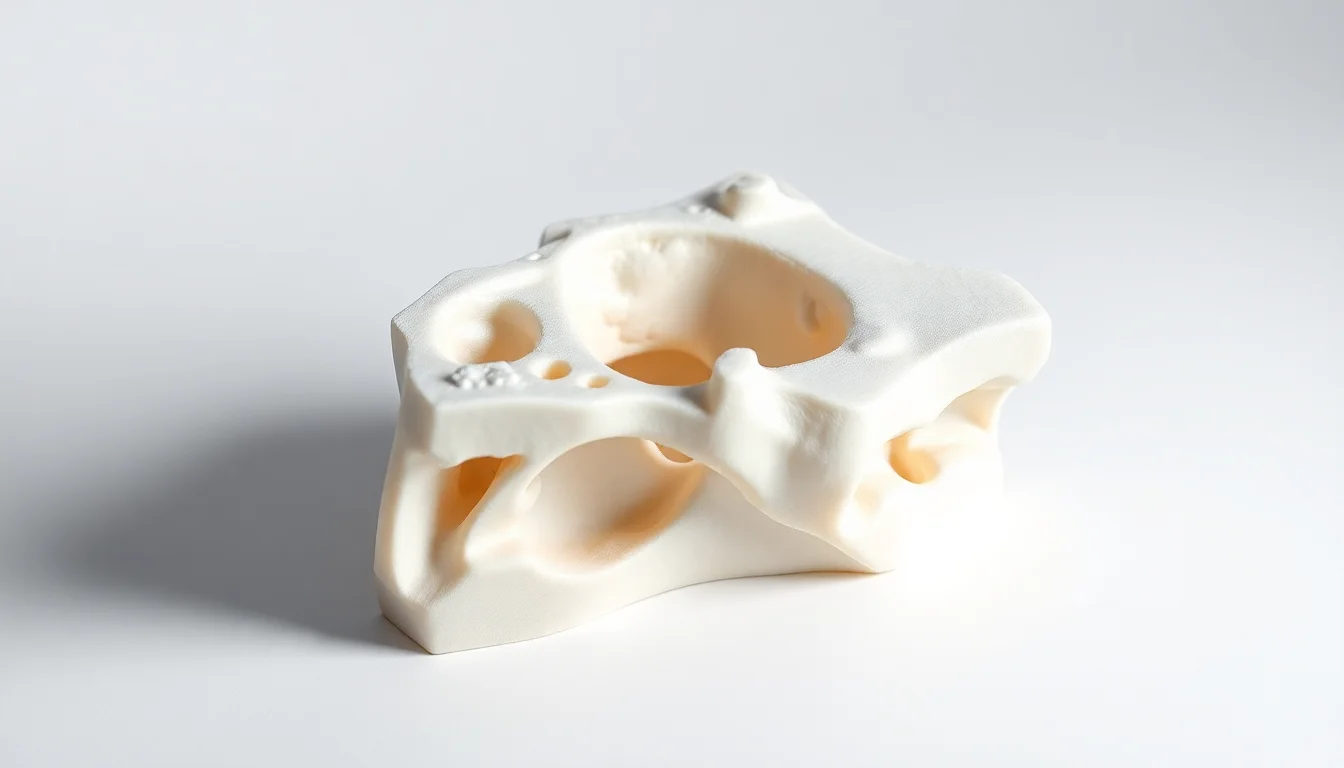
In contrast, 3D printed complex fracture reduction planning enables surgeons to create precise, personalized models that accurately replicate the patient's anatomy. These models allow for pre-operative planning, enabling surgeons to rehearse and refine their approach, reducing the risk of complications and improving patient outcomes.

The Benefits of 3D Printed Models in Complex Fracture Reduction Planning

  • Improved accuracy: 3D printed models provide a precise representation of the patient's anatomy, allowing surgeons to accurately plan and execute complex fracture reductions.
  • Enhanced visualization: 3D printed models enable surgeons to visualize the fracture in three dimensions, facilitating a deeper understanding of the injury and informing more effective treatment strategies.
  • Reduced surgery time: By allowing surgeons to rehearse and refine their approach pre-operatively, 3D printed models can significantly reduce surgery time and associated risks.
  • Better patient outcomes: Studies have shown that 3D printed models can lead to improved patient outcomes, including reduced complications, shorter hospital stays, and faster recovery times.

A study published in the Journal of Orthopaedic Trauma found that 3D printed models reduced surgery time by an average of 30 minutes per case, resulting in cost savings and improved patient outcomes (Source). Another study published in the European Journal of Trauma and Emergency Surgery demonstrated that 3D printed models improved the accuracy of complex fracture reductions by 25% (Source).

How PrecisionMed3D is Revolutionizing Complex Fracture Reduction Planning

PrecisionMed3D is at the forefront of 3D printed complex fracture reduction planning, offering FDA-compliant solutions that convert DICOM imaging into precise, 14μm resolution models. Our proprietary technology enables surgeons to create personalized models that accurately replicate the patient's anatomy, facilitating more effective treatment strategies and improved patient outcomes.

By leveraging the power of 3D printing, PrecisionMed3D is transforming the field of orthopedic surgery, enabling surgeons to provide more precise, personalized care to their patients.

Conclusion

3D printed complex fracture reduction planning is revolutionizing the field of orthopedic surgery, offering a precise, personalized solution for surgeons and patients alike. By embracing this innovative technology, surgeons can improve patient outcomes, reduce complications, and enhance their overall practice. To learn more about how PrecisionMed3D's FDA-compliant solutions can benefit your practice, contact us today.

Frequently Asked Questions

What is the resolution of PrecisionMed3D's 3D printed models?

Our 3D printed models have a resolution of 14μm, ensuring precise replication of the patient's anatomy.

Are 3D printed models FDA-compliant?

Yes, PrecisionMed3D's 3D printed models are FDA-compliant, ensuring the highest level of safety and quality for patients.

Can 3D printed models be used for patient education?

Absolutely! 3D printed models can be an invaluable tool for patient education, helping patients better understand their condition and treatment options.

How do 3D printed models reduce surgery time?

By allowing surgeons to rehearse and refine their approach pre-operatively, 3D printed models can significantly reduce surgery time and associated risks.

What is the cost of 3D printed models?

The cost of 3D printed models varies depending on the complexity of the case and the specific requirements of the surgeon. Contact us to learn more about our pricing and solutions.

What is the resolution of PrecisionMed3D's 3D printed models?

Our 3D printed models have a resolution of 14μm, ensuring precise replication of the patient's anatomy.

Are 3D printed models FDA-compliant?

Yes, PrecisionMed3D's 3D printed models are FDA-compliant, ensuring the highest level of safety and quality for patients.

Can 3D printed models be used for patient education?

Absolutely! 3D printed models can be an invaluable tool for patient education, helping patients better understand their condition and treatment options.

How do 3D printed models reduce surgery time?

By allowing surgeons to rehearse and refine their approach pre-operatively, 3D printed models can significantly reduce surgery time and associated risks.

What is the cost of 3D printed models?

The cost of 3D printed models varies depending on the complexity of the case and the specific requirements of the surgeon. Contact us to learn more about our pricing and solutions.

Ready to get your 3D model?

Contact our team for a free consultation

Get a Free Quote

Frequently Asked Questions

What is the resolution of PrecisionMed3D's 3D printed models?

Our 3D printed models have a resolution of 14μm, ensuring precise replication of the patient's anatomy.

Are 3D printed models FDA-compliant?

Yes, PrecisionMed3D's 3D printed models are FDA-compliant, ensuring the highest level of safety and quality for patients.

Can 3D printed models be used for patient education?

Absolutely! 3D printed models can be an invaluable tool for patient education, helping patients better understand their condition and treatment options.

How do 3D printed models reduce surgery time?

By allowing surgeons to rehearse and refine their approach pre-operatively, 3D printed models can significantly reduce surgery time and associated risks.

What is the cost of 3D printed models?

The cost of 3D printed models varies depending on the complexity of the case and the specific requirements of the surgeon. Contact us to learn more about our pricing and solutions.

What is the resolution of PrecisionMed3D's 3D printed models?

Our 3D printed models have a resolution of 14μm, ensuring precise replication of the patient's anatomy.

Are 3D printed models FDA-compliant?

Yes, PrecisionMed3D's 3D printed models are FDA-compliant, ensuring the highest level of safety and quality for patients.

Can 3D printed models be used for patient education?

Absolutely! 3D printed models can be an invaluable tool for patient education, helping patients better understand their condition and treatment options.

How do 3D printed models reduce surgery time?

By allowing surgeons to rehearse and refine their approach pre-operatively, 3D printed models can significantly reduce surgery time and associated risks.

What is the cost of 3D printed models?

The cost of 3D printed models varies depending on the complexity of the case and the specific requirements of the surgeon. Contact us to learn more about our pricing and solutions.

Ready to get your 3D model?

Contact our team for a free consultation

Get a Free Quote