Introduction
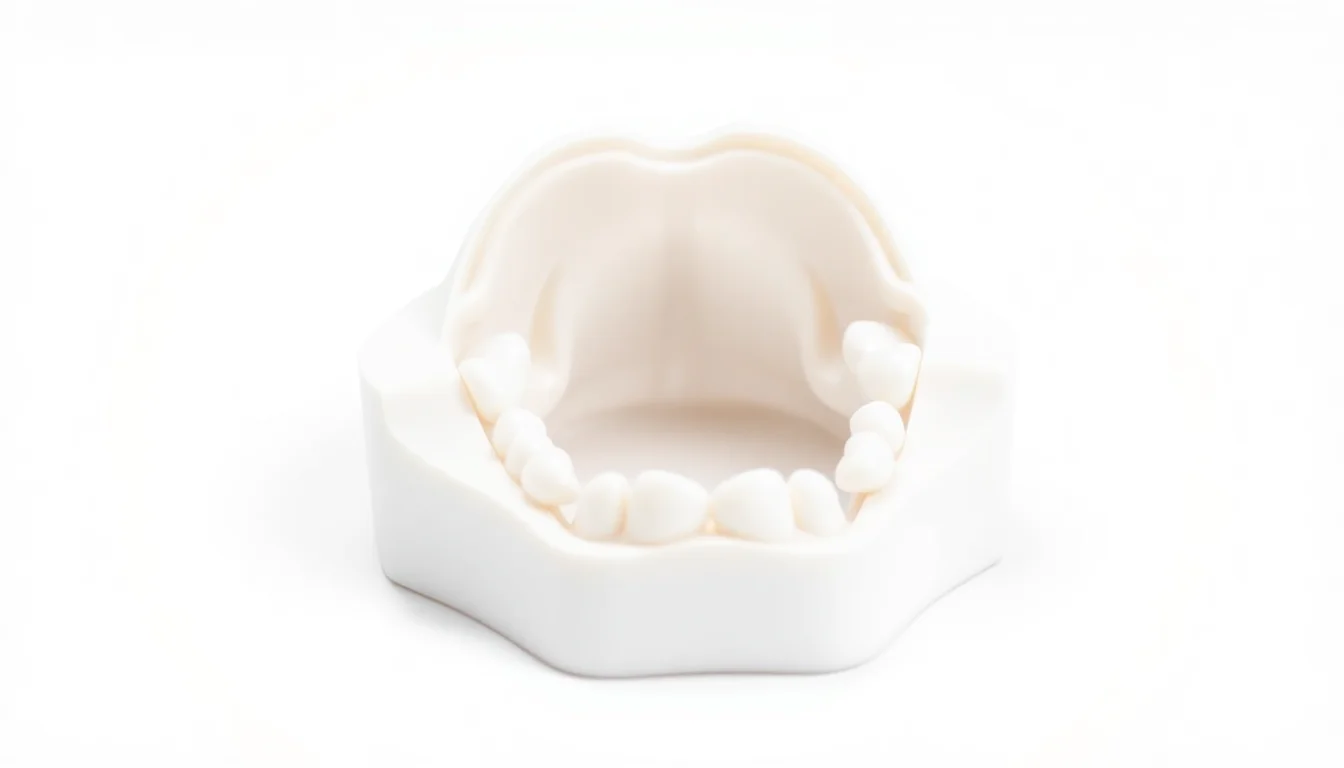
Cleft palate surgery is a complex and delicate procedure that requires meticulous planning and execution. The use of 3D printed cleft palate surgical models is revolutionizing the field of craniofacial surgery, enabling surgeons to plan and execute complex procedures with unprecedented accuracy and precision.
The Challenges of Cleft Palate Surgery
See How 3D Printing Transforms Surgical Outcomes
Our FDA-compliant models help surgeons plan with unprecedented precision.
Explore Models →Cleft palate surgery is a complex procedure that requires a deep understanding of the anatomy of the palate and the surrounding tissues. The procedure involves the repair of the cleft palate, which can be a challenging task due to the complexity of the anatomy and the variability of the defect.
Traditionally, surgeons have relied on 2D imaging techniques such as CT scans and MRI to plan and execute cleft palate surgery. However, these techniques have limitations, including the lack of accuracy and the inability to fully visualize the anatomy of the palate.
The Benefits of 3D Printed Cleft Palate Surgical Models
3D printed cleft palate surgical models offer a number of benefits over traditional 2D imaging techniques. These models provide a highly accurate and detailed representation of the anatomy of the palate, enabling surgeons to plan and execute complex procedures with confidence.
Some of the benefits of 3D printed cleft palate surgical models include:
- Enhanced accuracy: 3D printed models provide a highly accurate representation of the anatomy of the palate, reducing the risk of complications and improving outcomes.
- Improved visualization: 3D printed models enable surgeons to fully visualize the anatomy of the palate, including the relationships between the different tissues and structures.
- Personalized planning: 3D printed models can be customized to the individual patient, enabling surgeons to plan and execute procedures that are tailored to the specific needs of the patient.
- Reduced operating time: 3D printed models can help surgeons to identify and address potential complications before they arise, reducing operating time and improving outcomes.
How 3D Printed Cleft Palate Surgical Models Are Created
3D printed cleft palate surgical models are created using a combination of imaging techniques, including CT scans and MRI, and advanced 3D printing technologies. The process typically involves the following steps:
- Imaging: The patient undergoes a CT scan or MRI to capture detailed images of the palate and surrounding tissues.
- Segmentation: The images are then segmented to identify the different tissues and structures of the palate.
- 3D modeling: The segmented images are then used to create a 3D model of the palate, which is customized to the individual patient.
- 3D printing: The 3D model is then printed using advanced 3D printing technologies, such as stereolithography (SLA) or selective laser sintering (SLS).
Real-World Applications of 3D Printed Cleft Palate Surgical Models
3D printed cleft palate surgical models have been used in a number of real-world applications, including:
- A study published in the Journal of Craniofacial Surgery found that the use of 3D printed models improved the accuracy of cleft palate surgery and reduced operating time (1).
- A study published in the European Journal of Plastic Surgery found that the use of 3D printed models improved the outcomes of cleft palate surgery and reduced the risk of complications (2).
Conclusion
3D printed cleft palate surgical models are revolutionizing the field of craniofacial surgery, enabling surgeons to plan and execute complex procedures with unprecedented accuracy and precision. By providing a highly accurate and detailed representation of the anatomy of the palate, these models are improving outcomes and reducing the risk of complications.
At PrecisionMed3D, we are committed to providing surgeons with the tools they need to deliver the best possible outcomes for their patients. Our 3D printed cleft palate surgical models are created using advanced 3D printing technologies and are customized to the individual patient. Contact us today to learn more about how our models can benefit your practice.