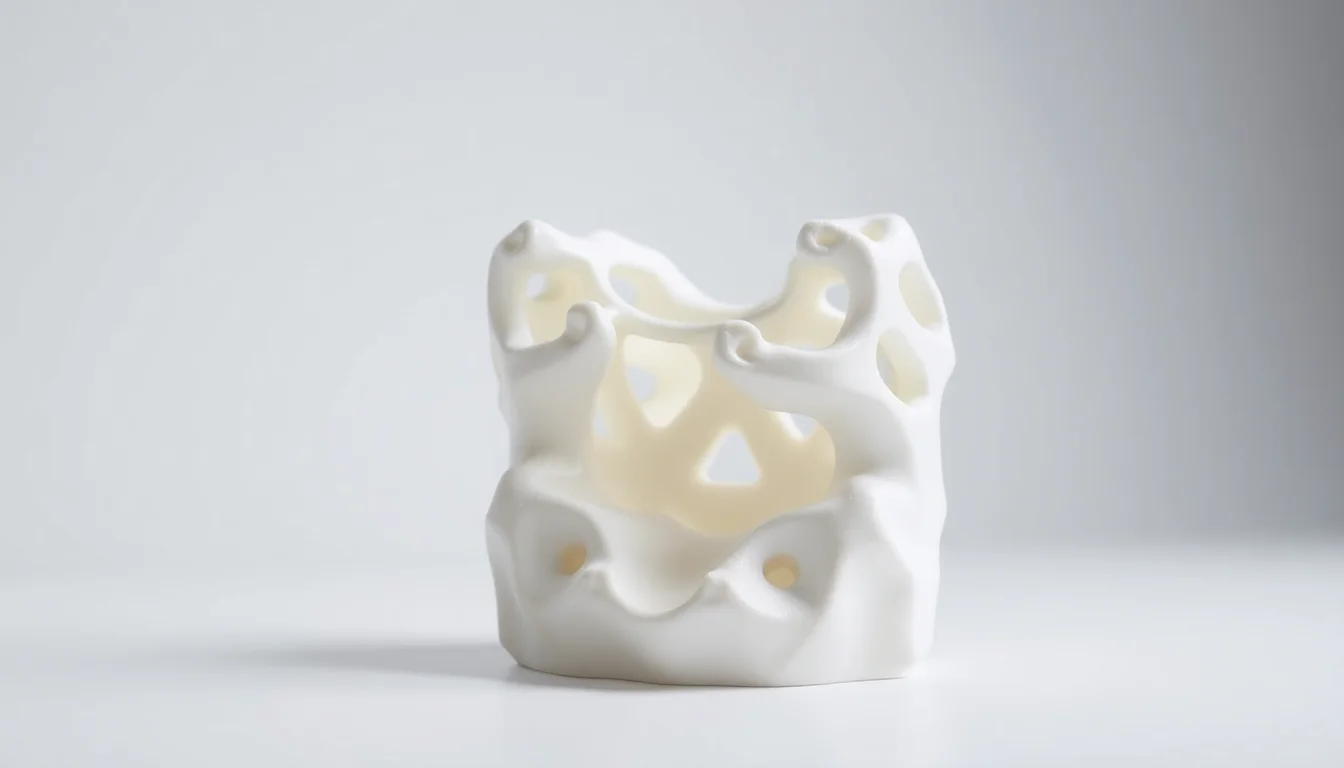
Introduction to Medical 3D Printing Workflow Optimization
Medical 3D printing has revolutionized the field of surgical planning, enabling surgeons to create accurate, patient-specific models that enhance their understanding of complex anatomies. However, the process of converting medical imaging data into 3D printed models can be time-consuming and prone to errors. Optimizing the medical 3D printing workflow is crucial to ensure that surgeons receive high-quality models that meet their specific needs.
In this article, we will explore the importance of medical 3D printing workflow optimization, discuss common challenges, and provide expert guidance on how to streamline your workflow for enhanced surgical planning.
Challenges in Medical 3D Printing Workflow
See How 3D Printing Transforms Surgical Outcomes
Our FDA-compliant models help surgeons plan with unprecedented precision.
Explore Models →The medical 3D printing workflow involves several stages, including image acquisition, segmentation, modeling, and printing. Each stage requires careful attention to detail to ensure that the final model meets the surgeon's requirements. However, common challenges can arise at each stage, including:
- Data quality issues: Poor image quality or incomplete data can lead to inaccurate models.
- Segmentation errors: Inaccurate segmentation can result in models that do not accurately represent the patient's anatomy.
- Modeling complexities: Complex anatomies can be challenging to model, requiring specialized expertise and software.
- Printing limitations: Limited printer resolution or material properties can affect the accuracy and functionality of the final model.
Benefits of Optimizing Medical 3D Printing Workflow
Optimizing the medical 3D printing workflow can have a significant impact on surgical planning and patient outcomes. Benefits include:
- Improved accuracy: Accurate models enable surgeons to better understand complex anatomies, reducing the risk of complications during surgery.
- Enhanced patient outcomes: Personalized models can improve patient outcomes by enabling surgeons to develop tailored treatment plans.
- Reduced costs: Streamlined workflows can reduce costs associated with model creation, printing, and revision.
- Increased efficiency: Optimized workflows can reduce the time required to create models, enabling surgeons to focus on other critical tasks.
Best Practices for Medical 3D Printing Workflow Optimization
To optimize your medical 3D printing workflow, consider the following best practices:
- Use high-quality imaging data: Ensure that imaging data is of high quality and complete to reduce the risk of errors.
- Implement quality control checks: Conduct regular quality control checks to identify and correct errors.
- Leverage specialized software and expertise: Utilize specialized software and expertise to ensure accurate modeling and printing.
- Collaborate with surgeons and clinicians: Collaborate with surgeons and clinicians to ensure that models meet their specific needs.
Conclusion
Medical 3D printing workflow optimization is critical to ensuring that surgeons receive high-quality models that enhance their understanding of complex anatomies. By understanding common challenges, leveraging best practices, and collaborating with experts, you can streamline your workflow and improve patient outcomes.
At PrecisionMed3D, we specialize in converting DICOM imaging into FDA-compliant 3D printed surgical planning models with 14μm resolution. Our expert team can help you optimize your medical 3D printing workflow, ensuring that you receive accurate, patient-specific models that meet your specific needs. Contact us to learn more.